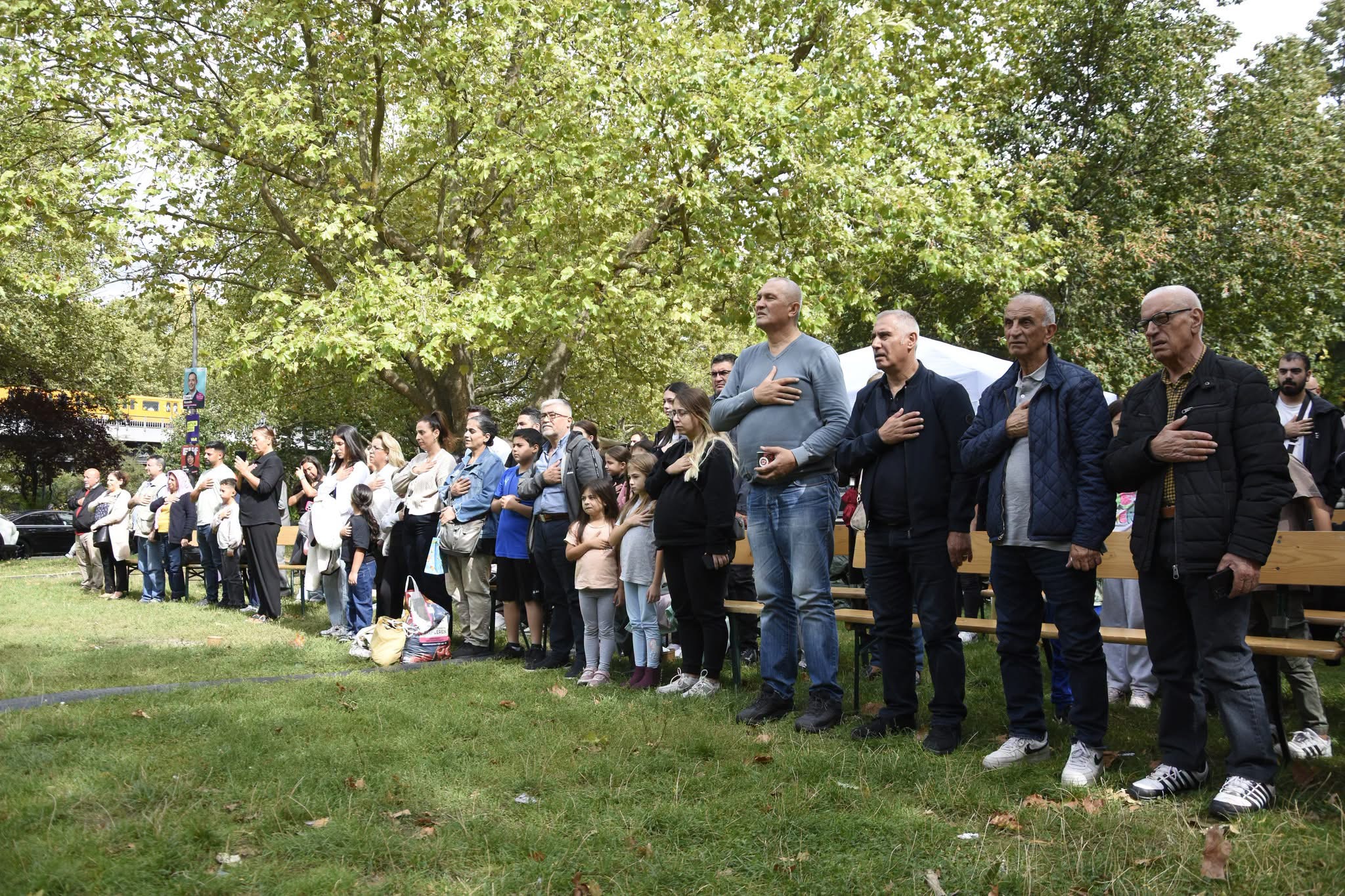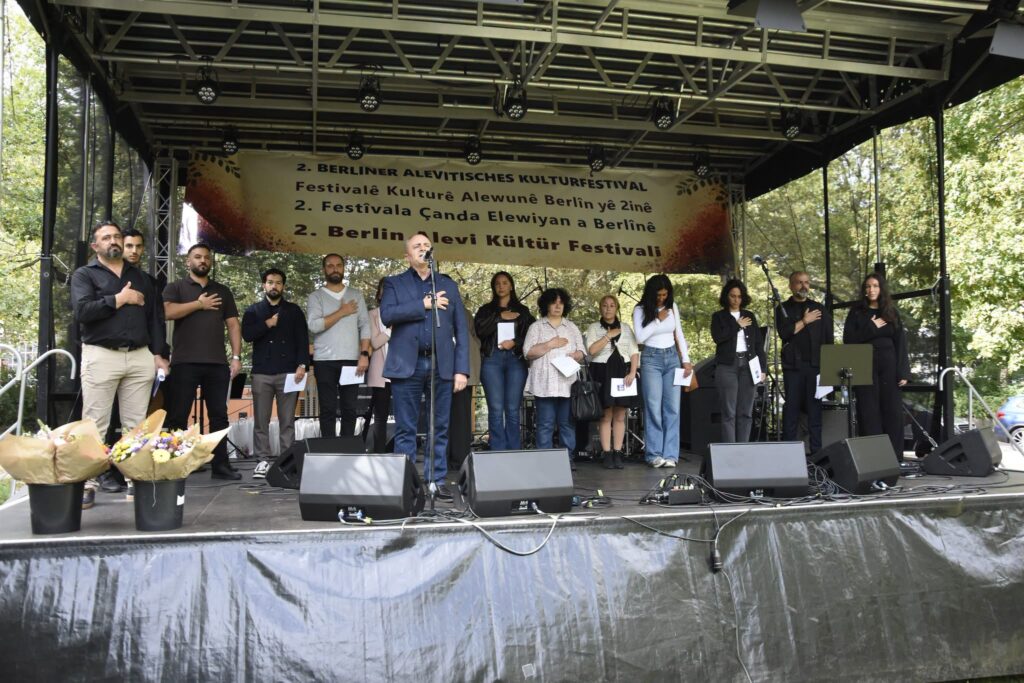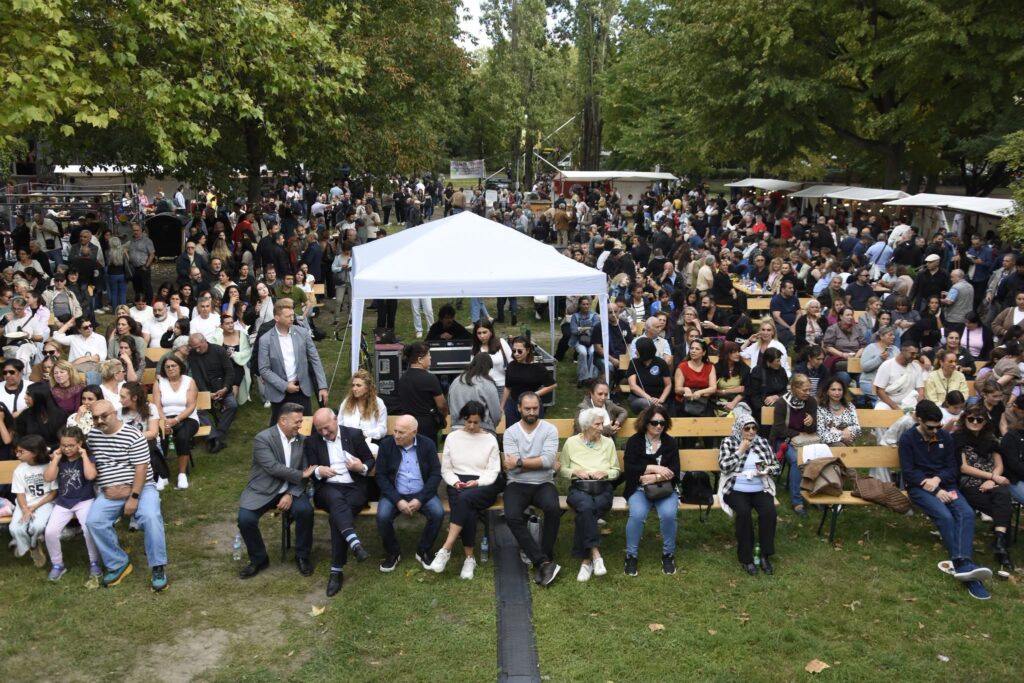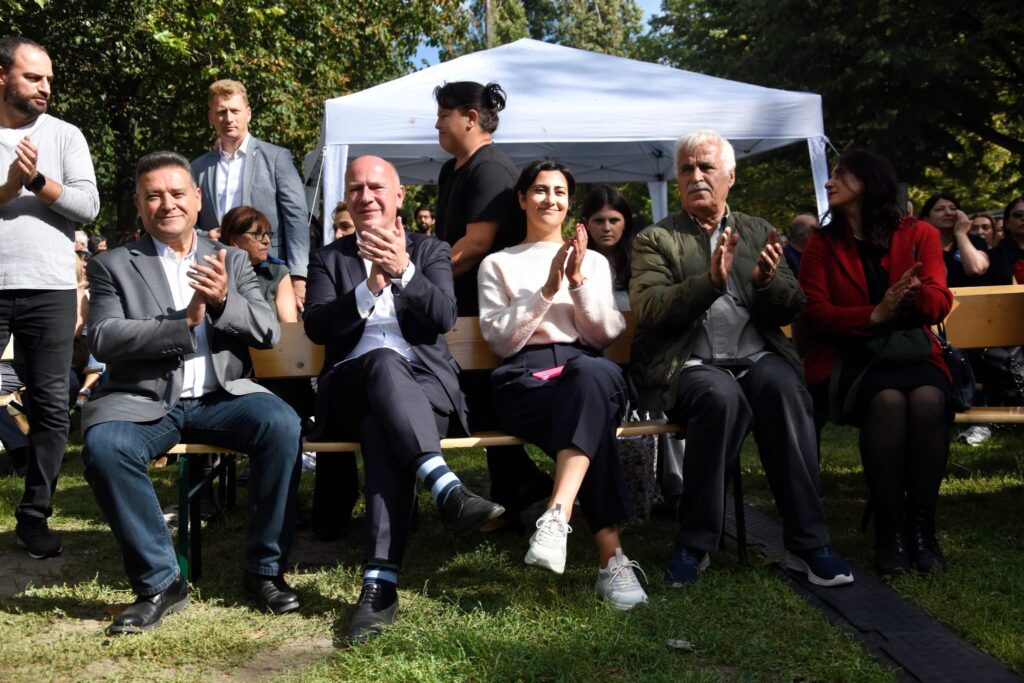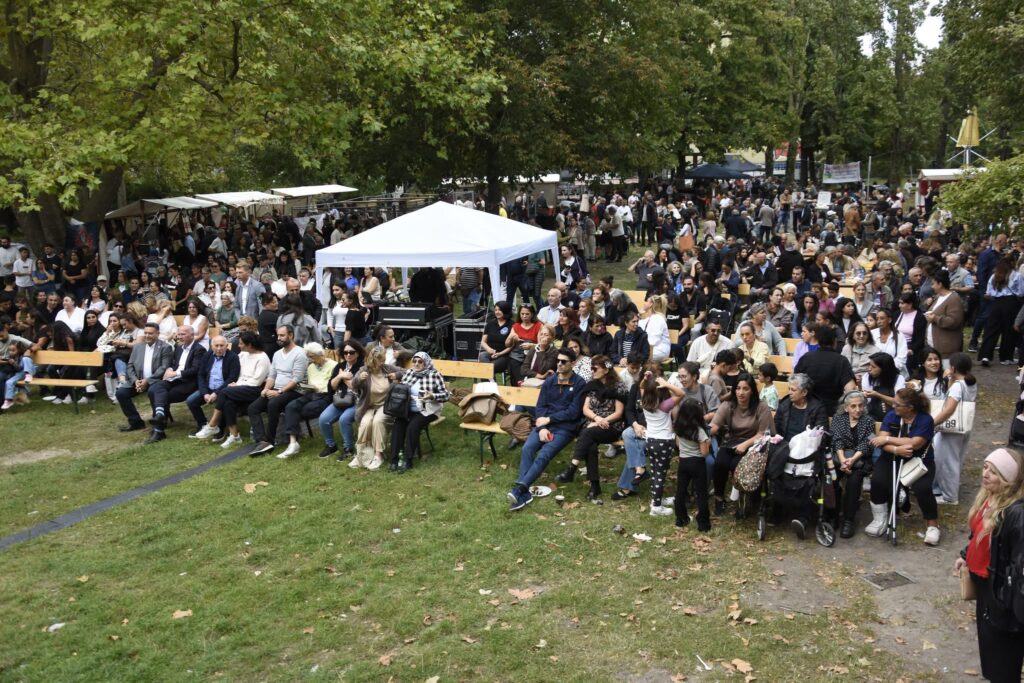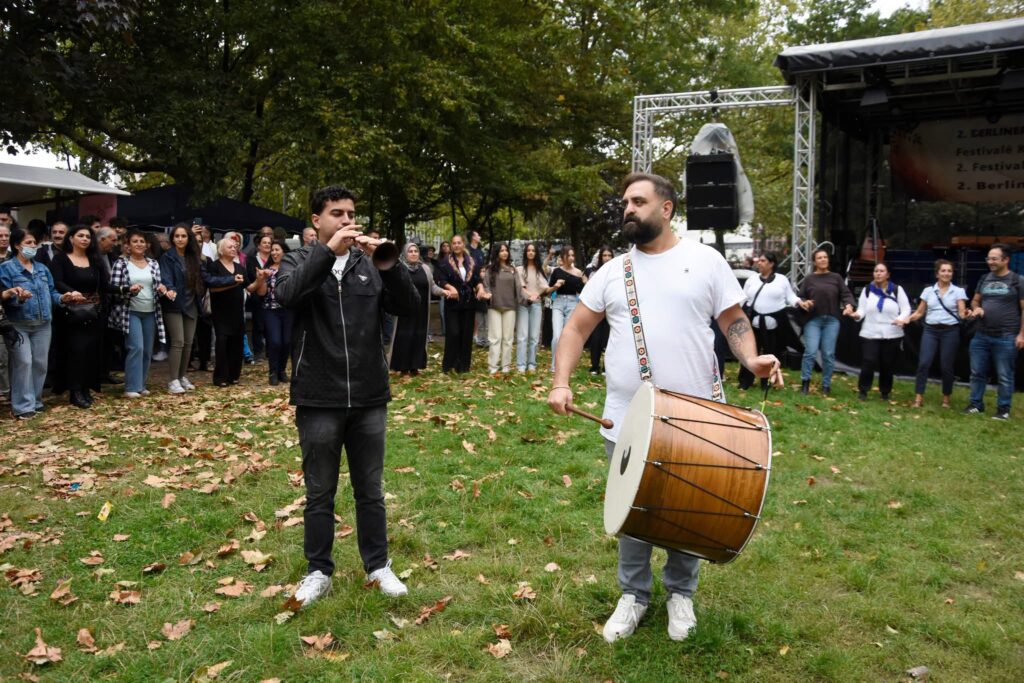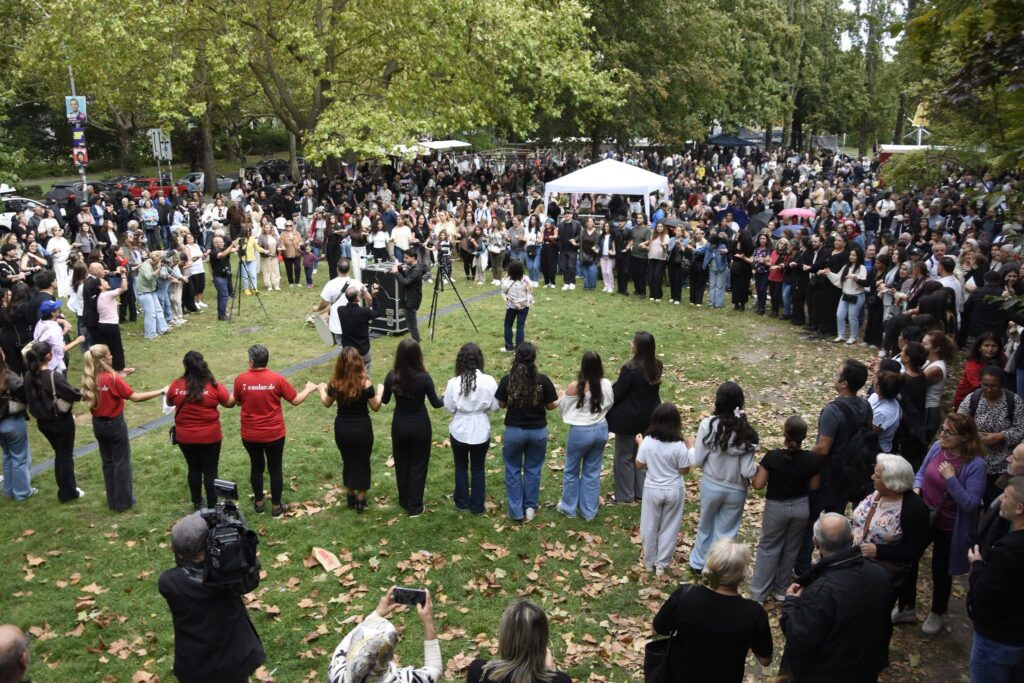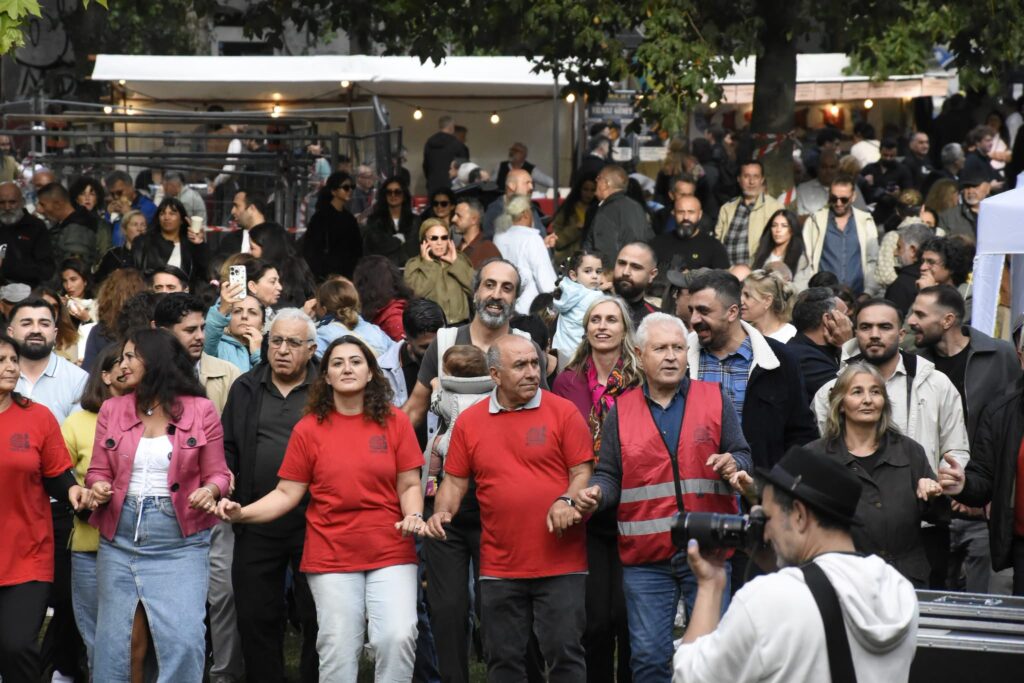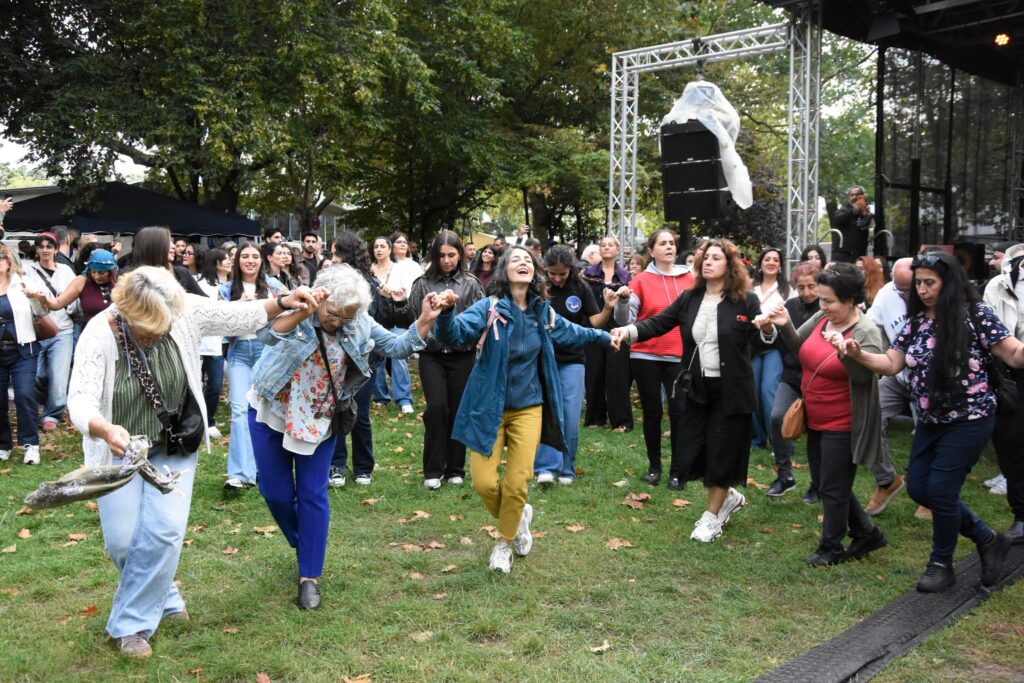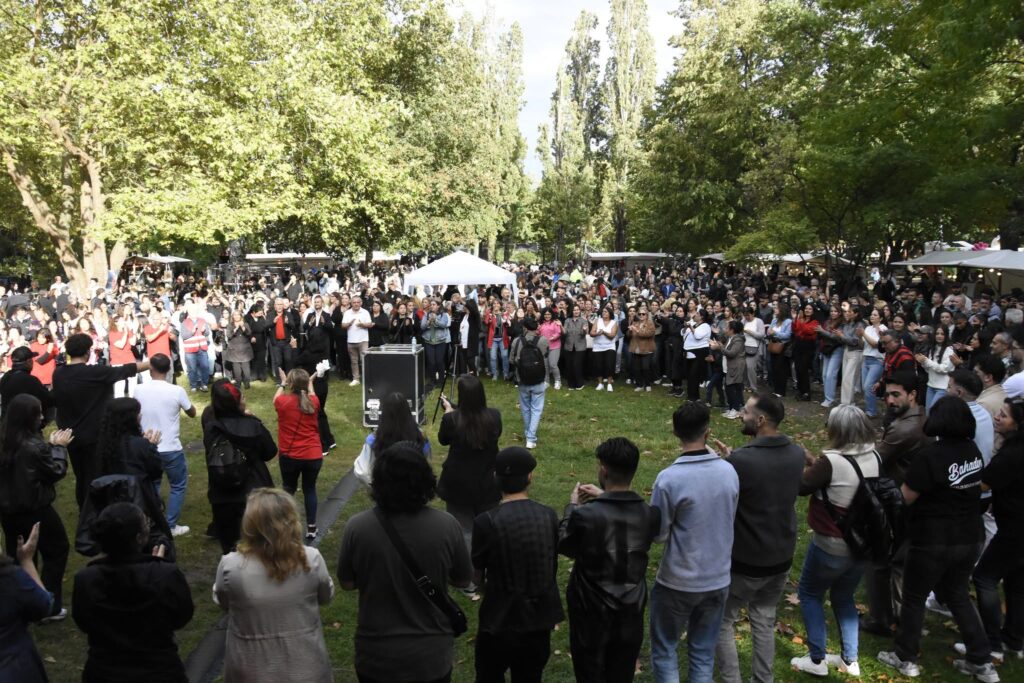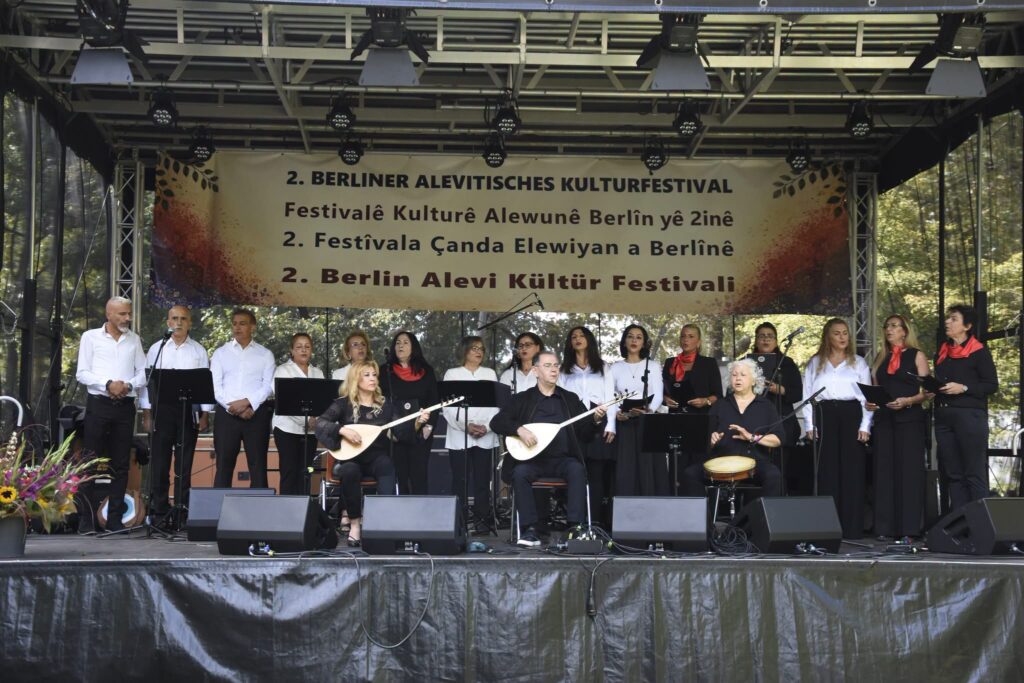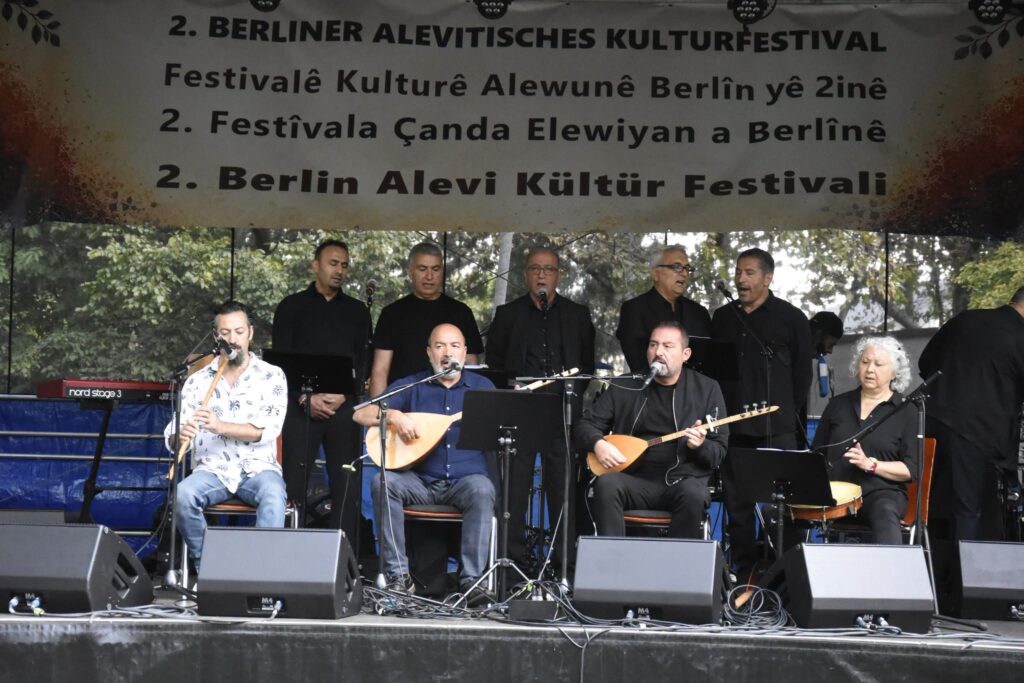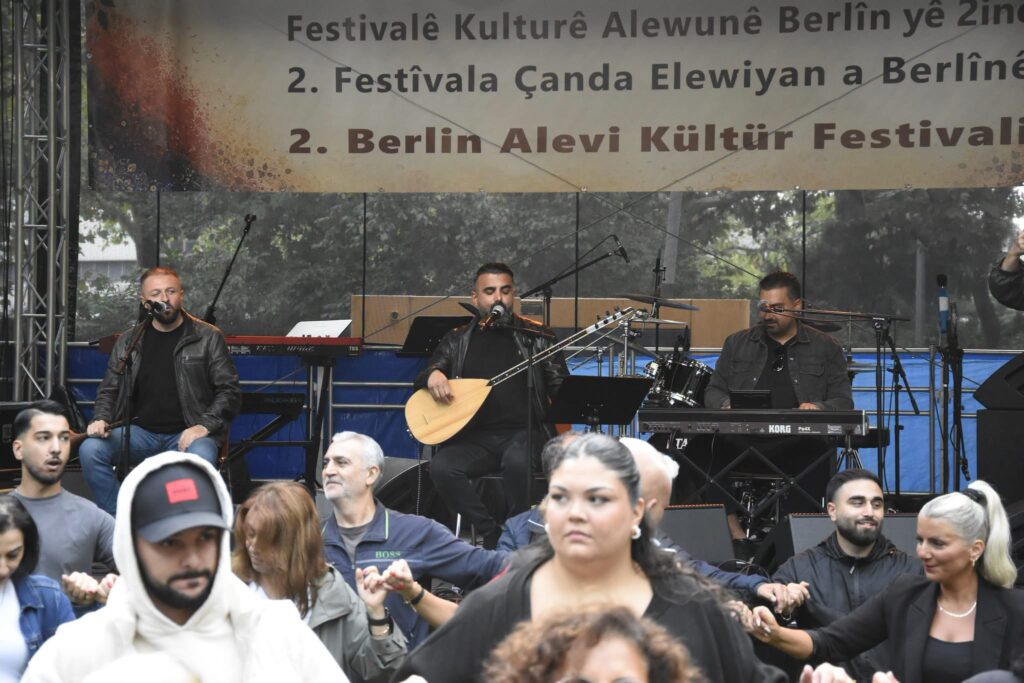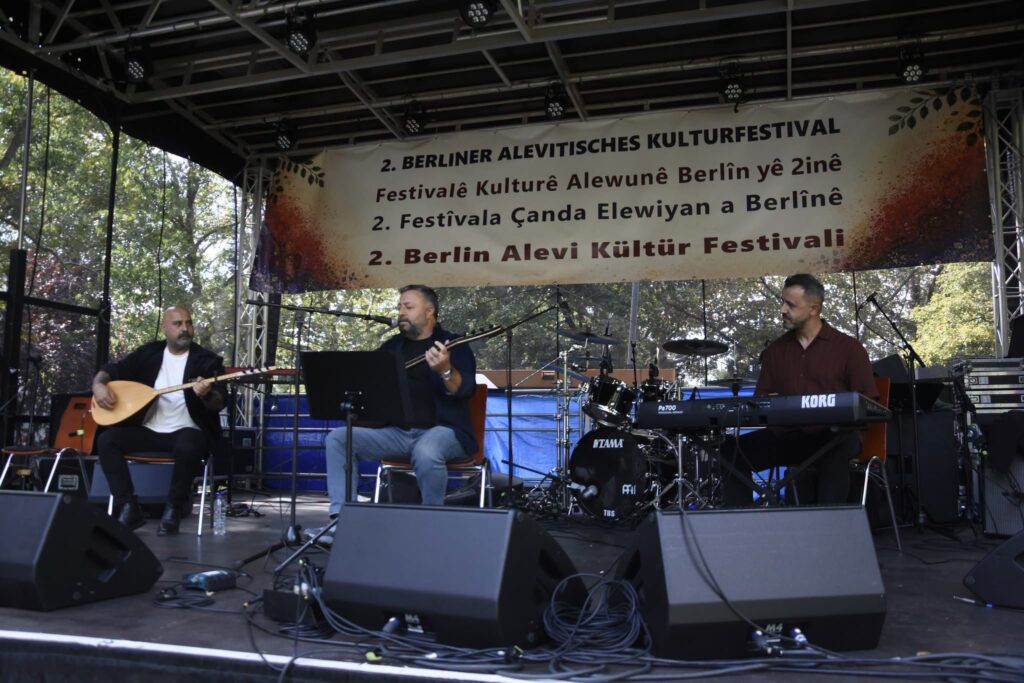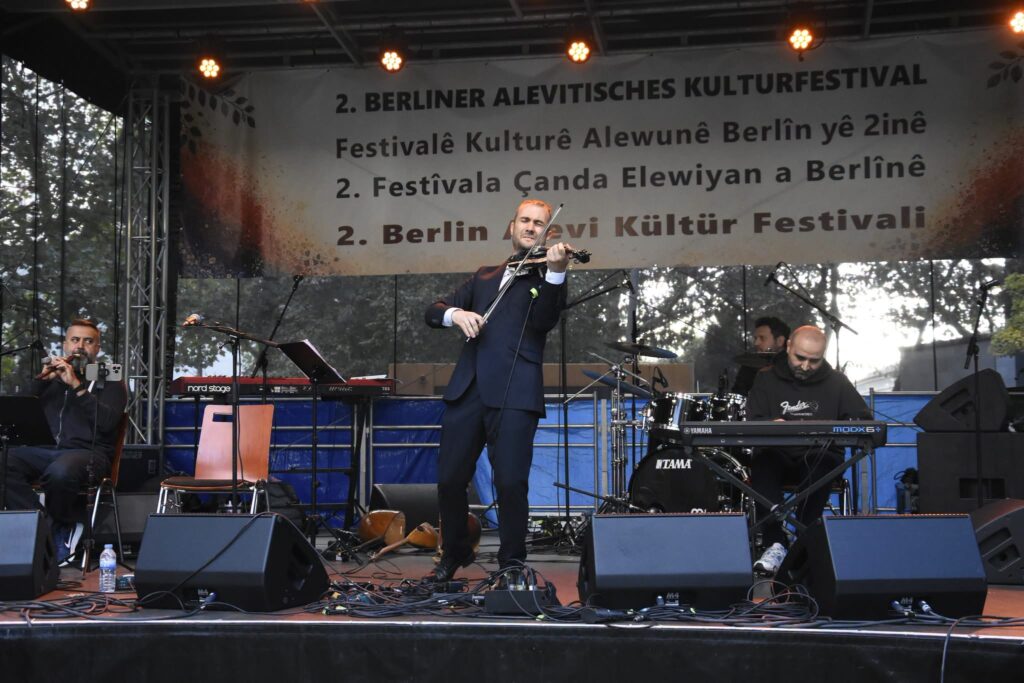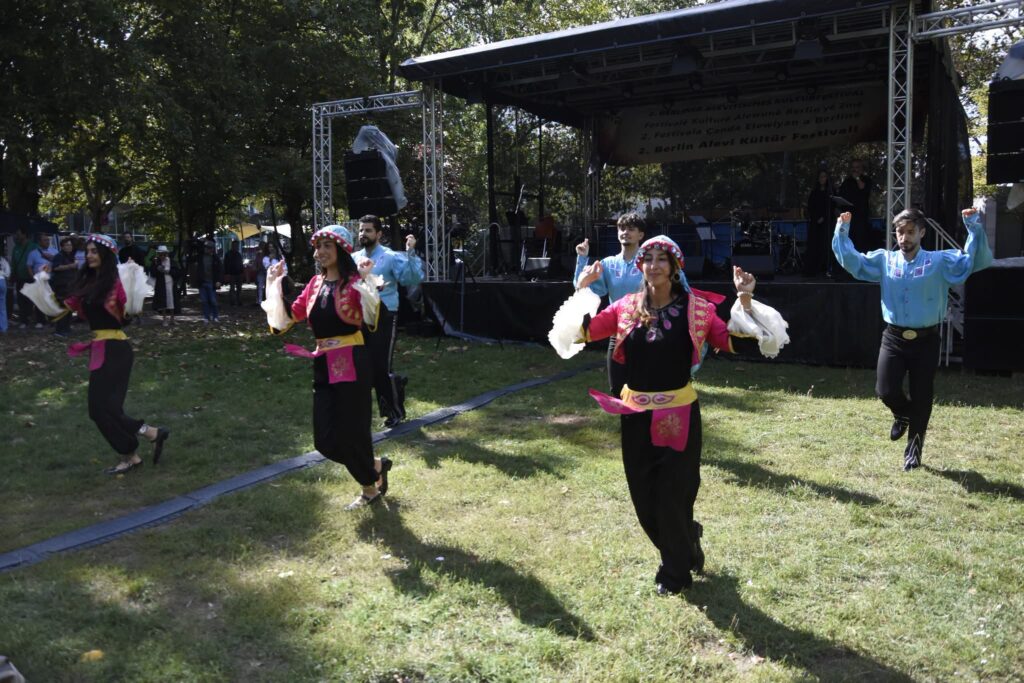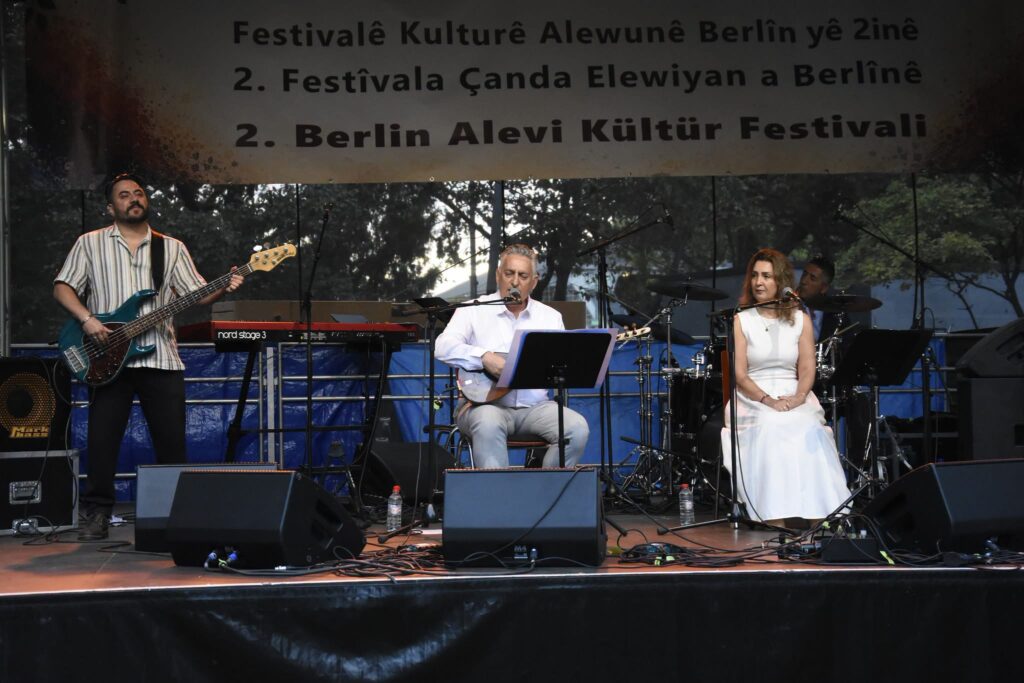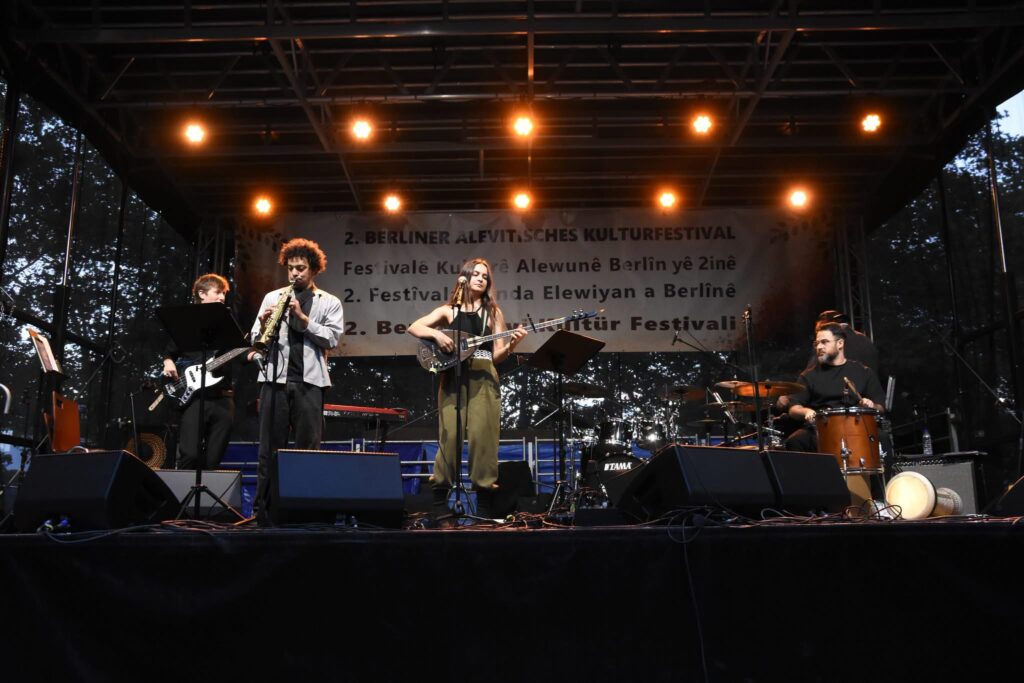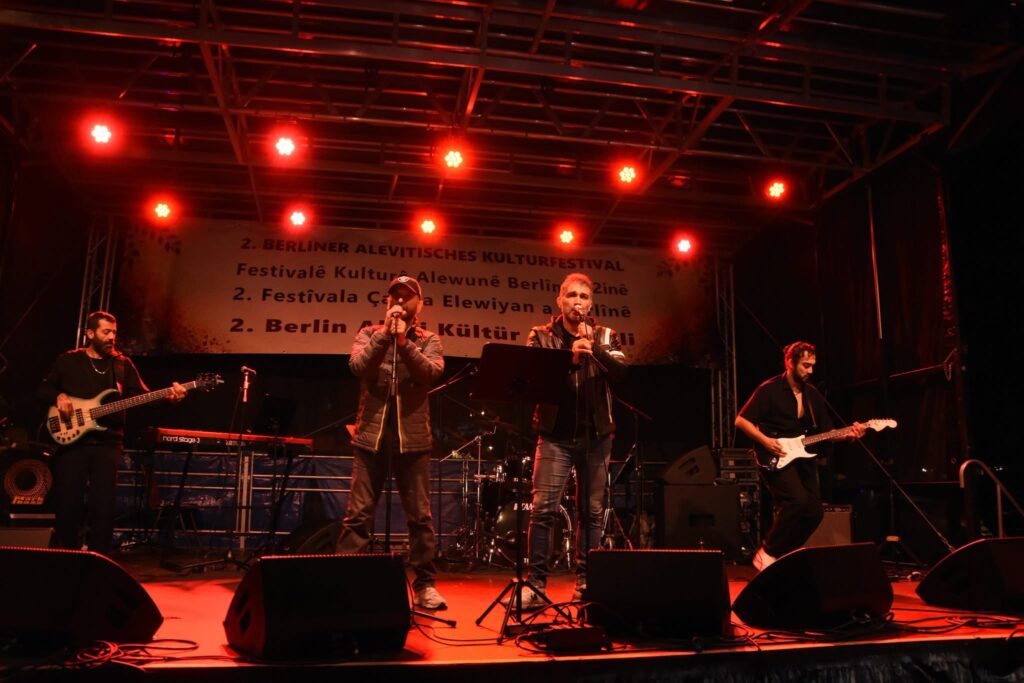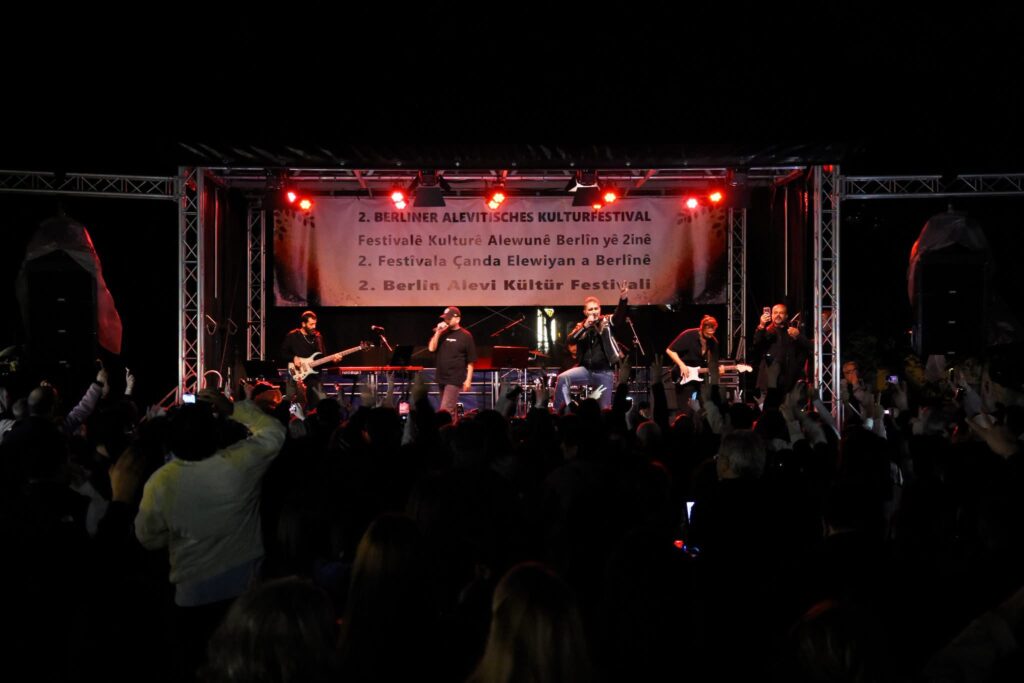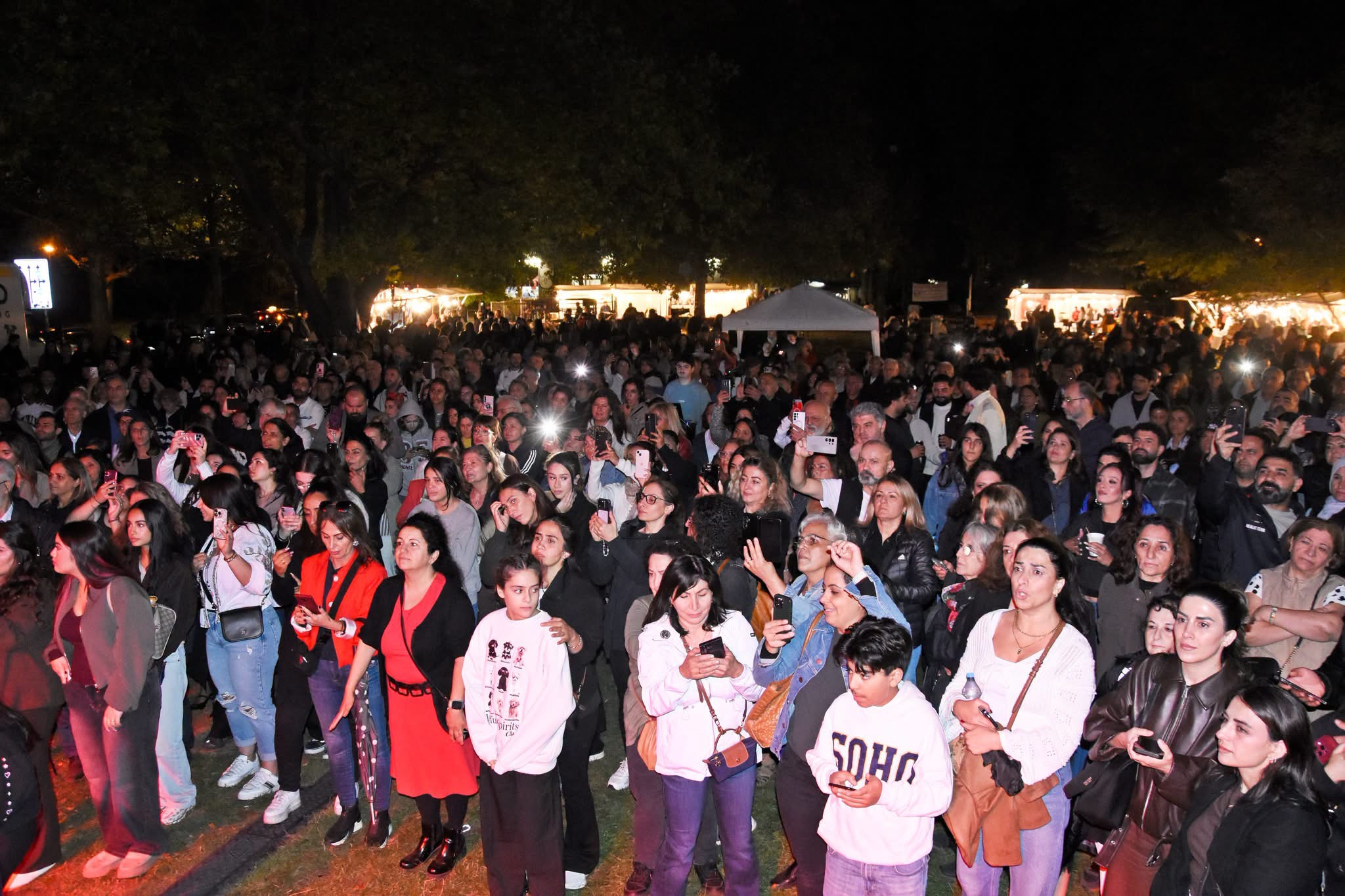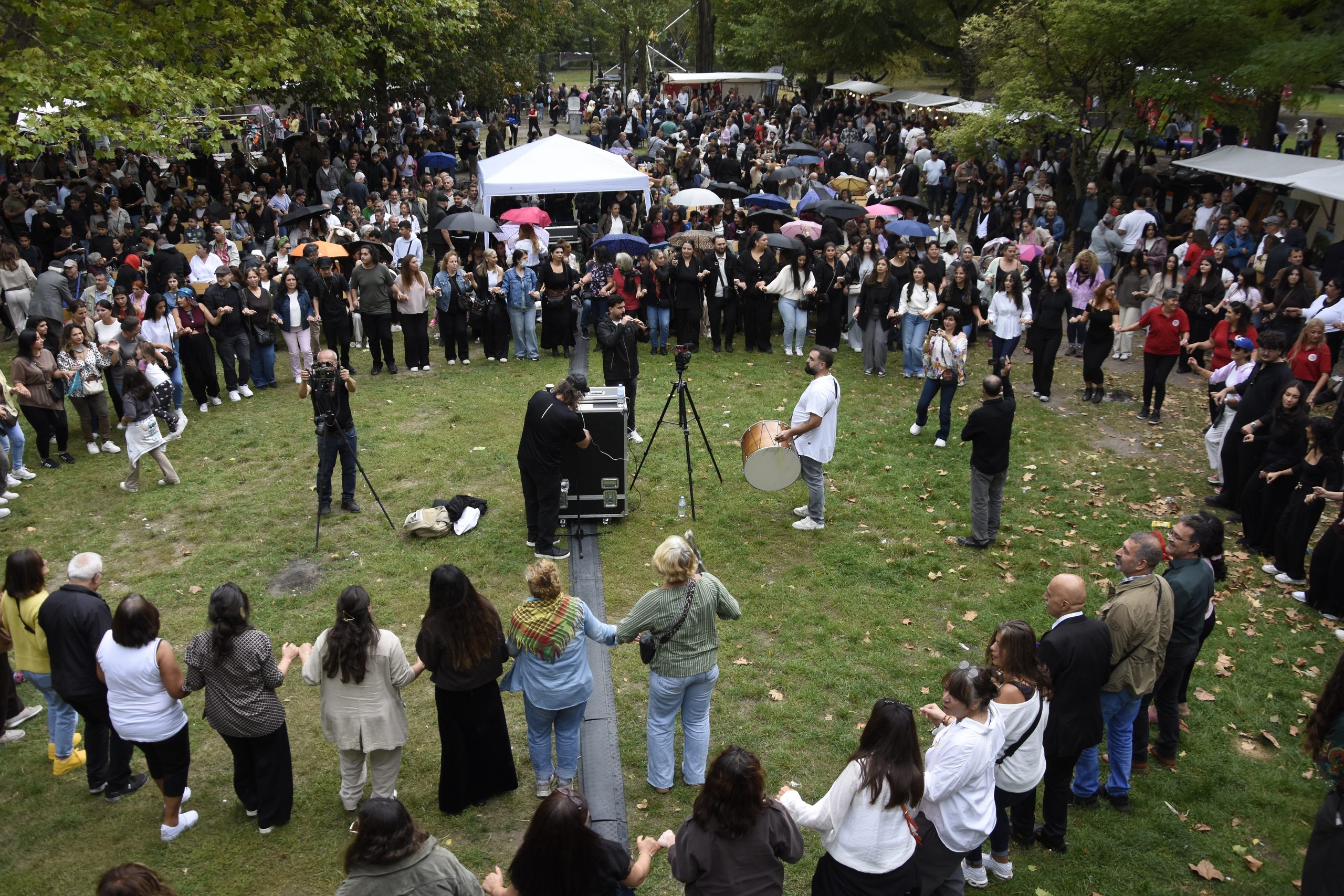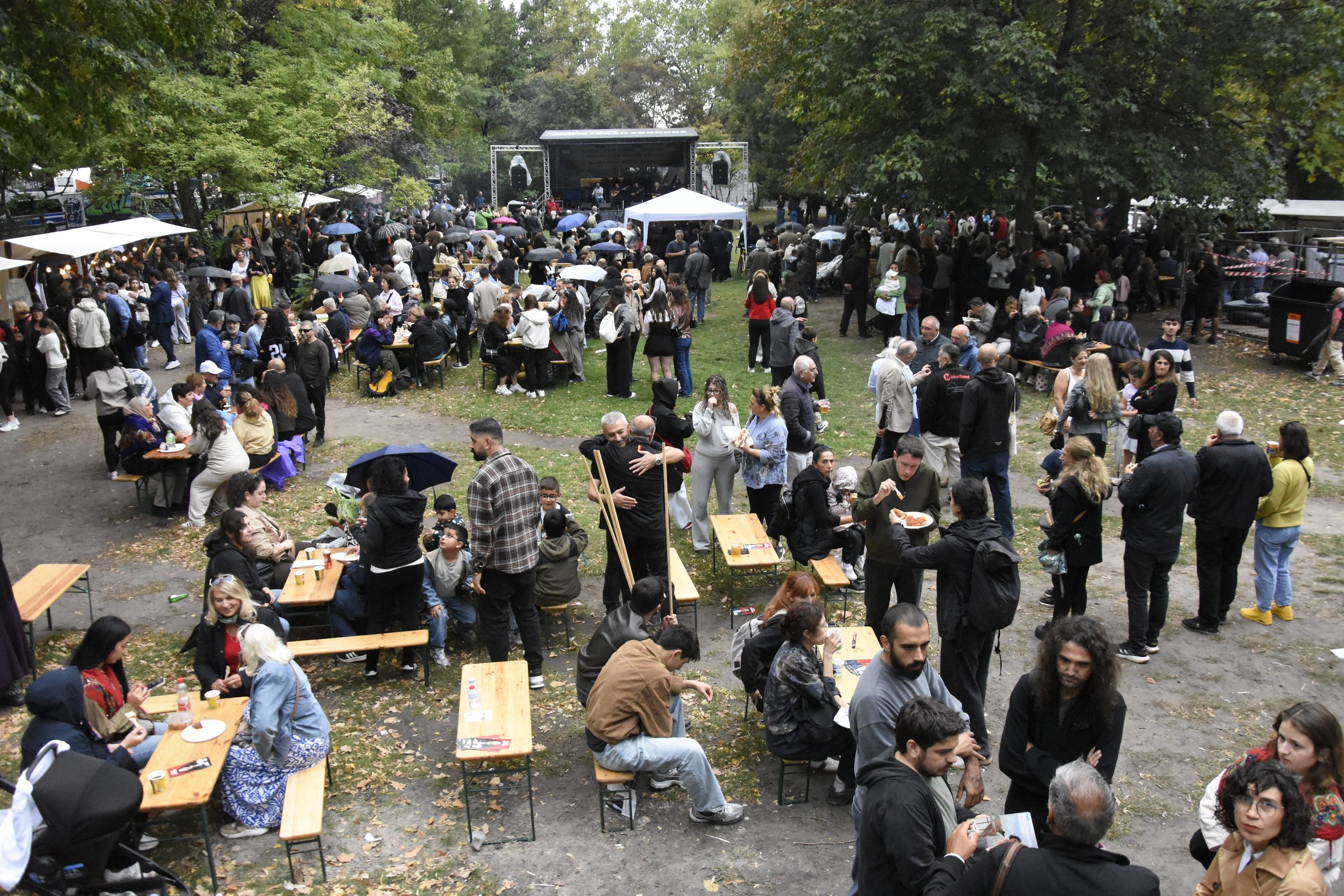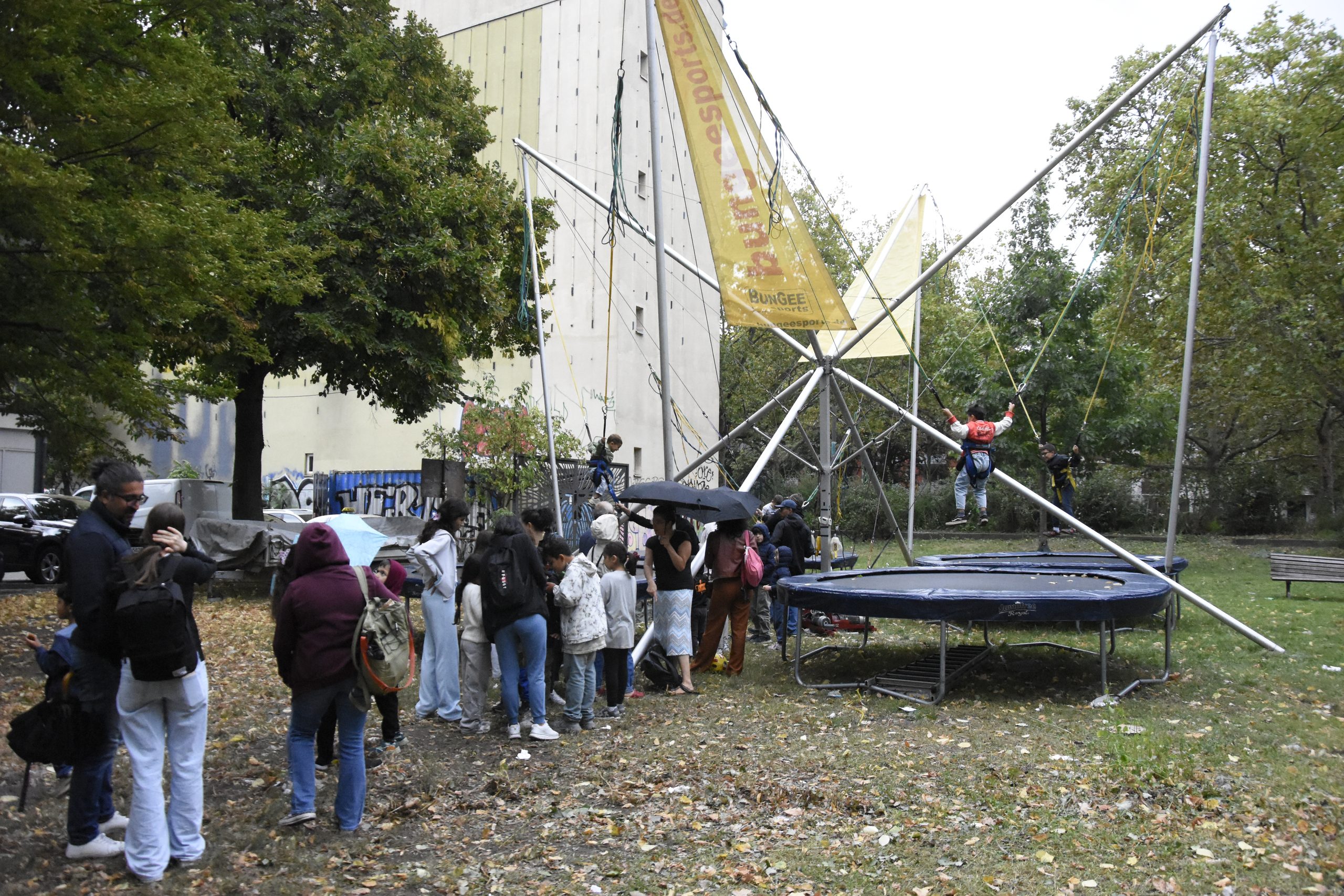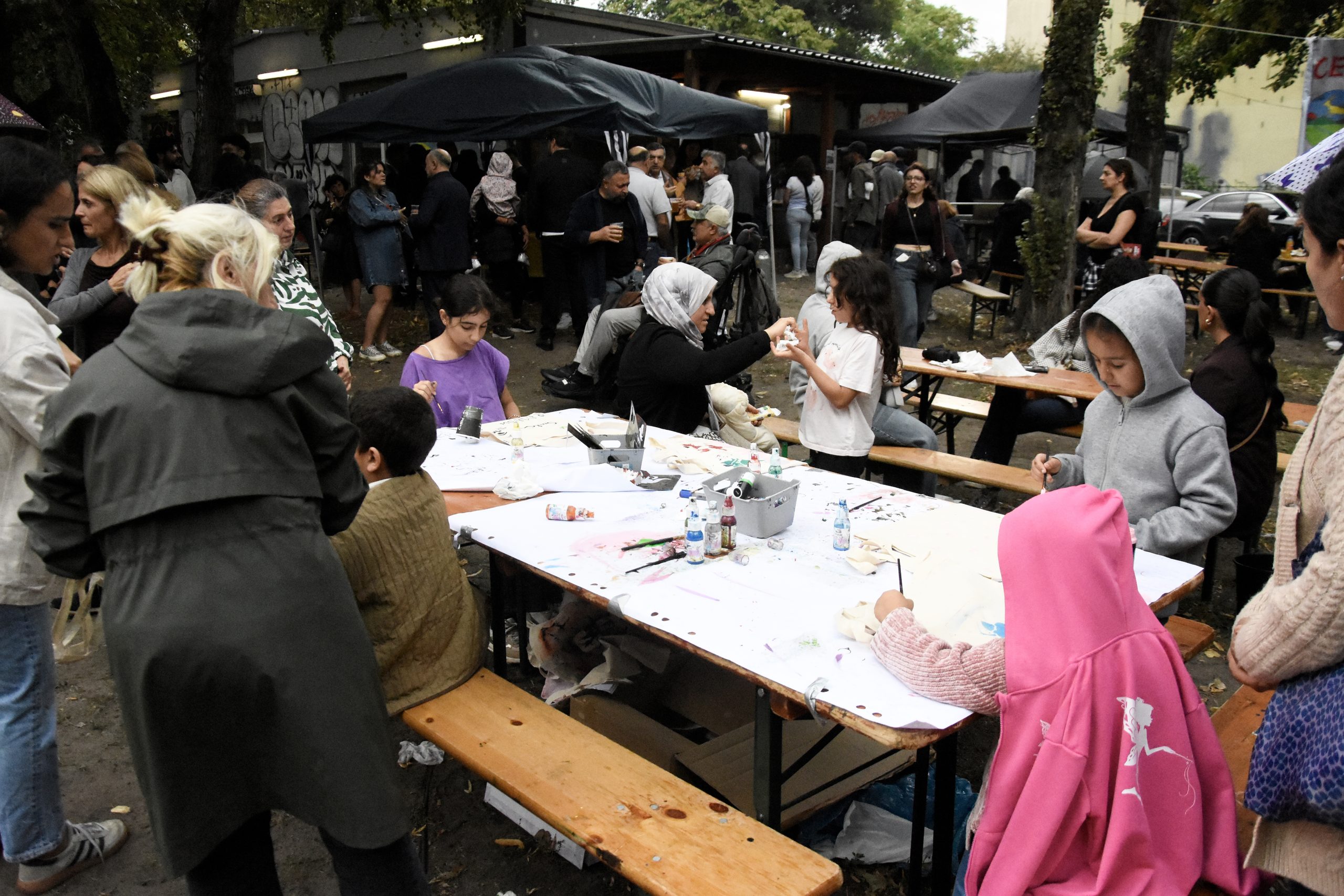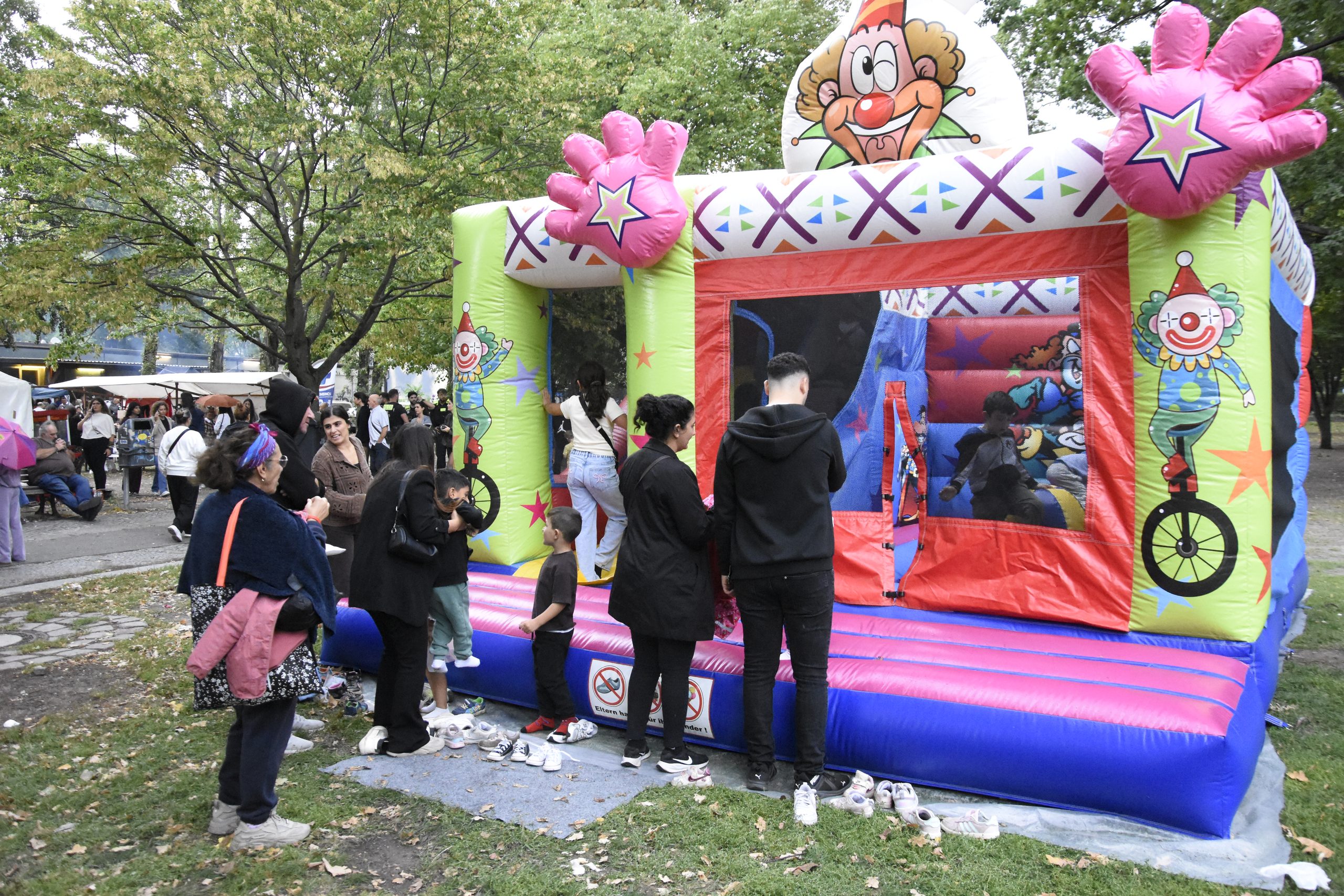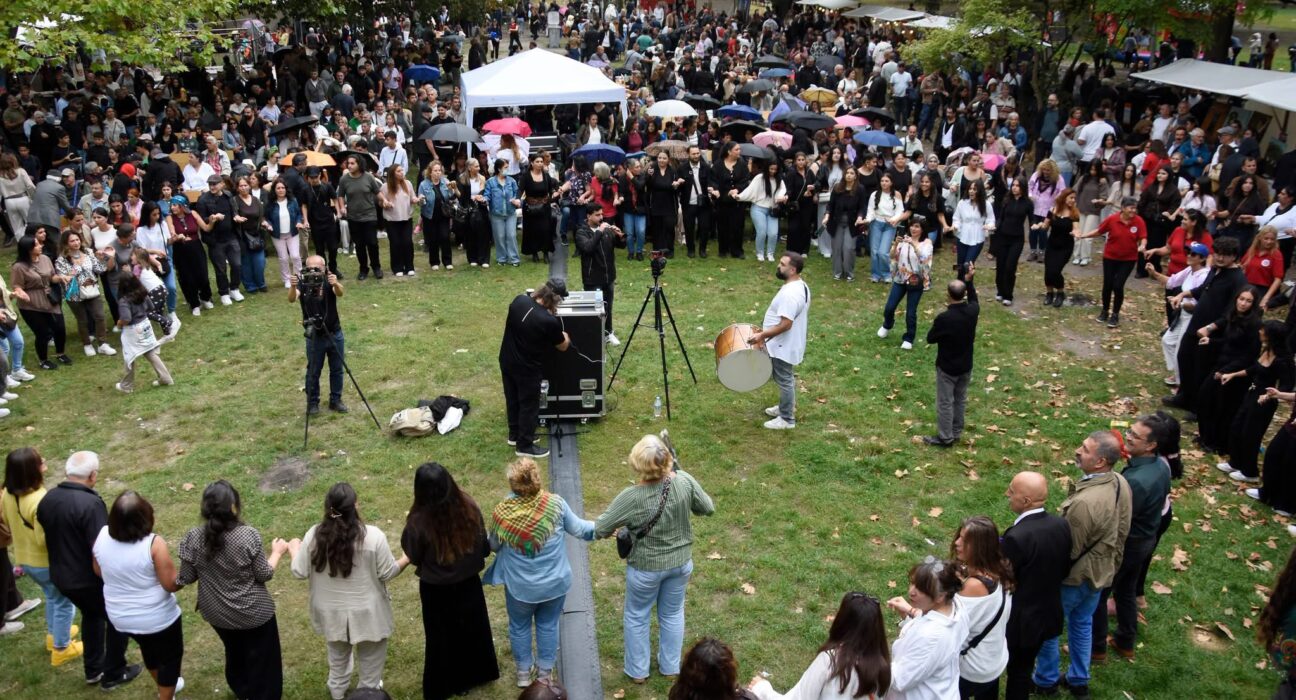
The Second Berlin Alevi Festival, organised jointly by the Alevi Community of Berlin – Cemevi and 17 partner associations, became a major gathering with a colourful and exuberant atmosphere ranging from music and culture to messages of solidarity, democracy and peace. Around 7,000 Berliners attended the festival, held on Saturday under the patronage of the Governing Mayor of Berlin, Kai Wegner. Music filled the festival grounds at Blücherplatz all day long, people danced the halay, and folk songs (türküs) and deyiş were sung together.
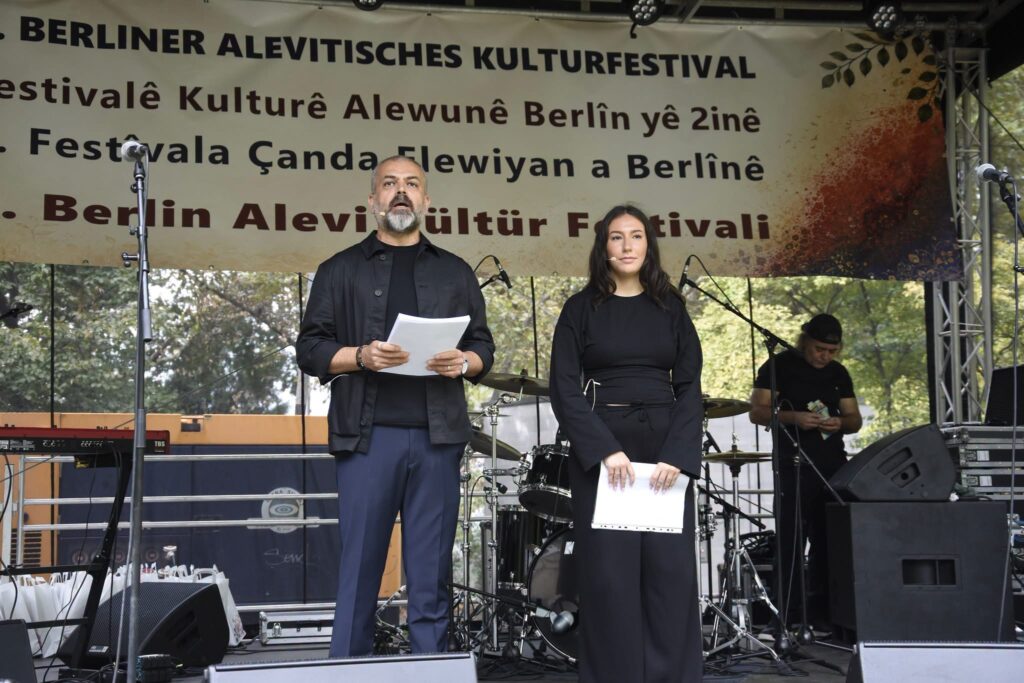
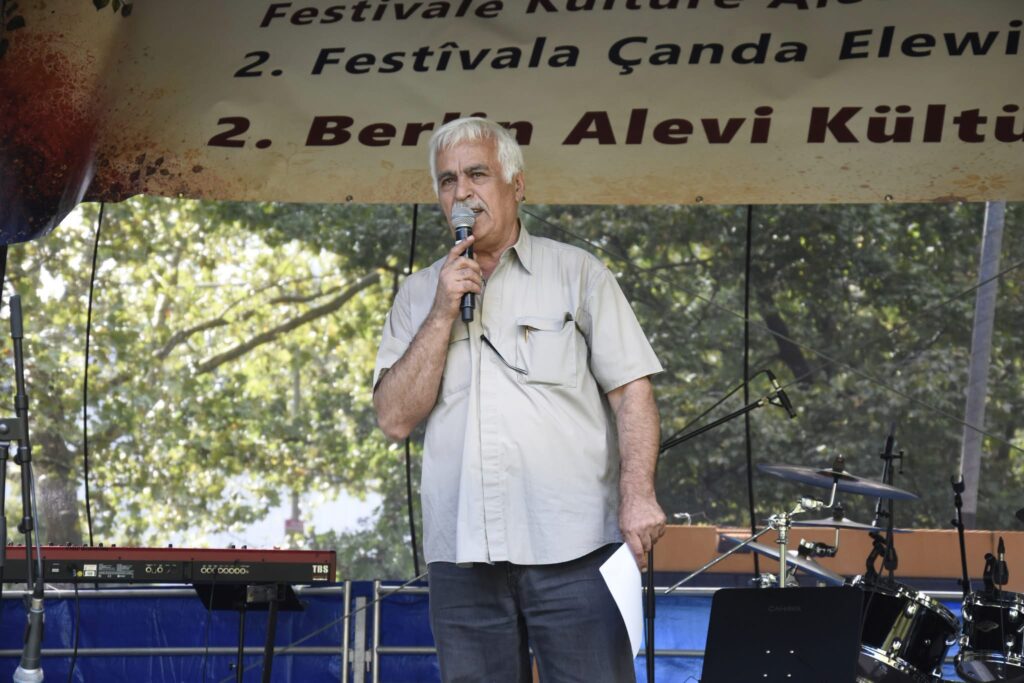
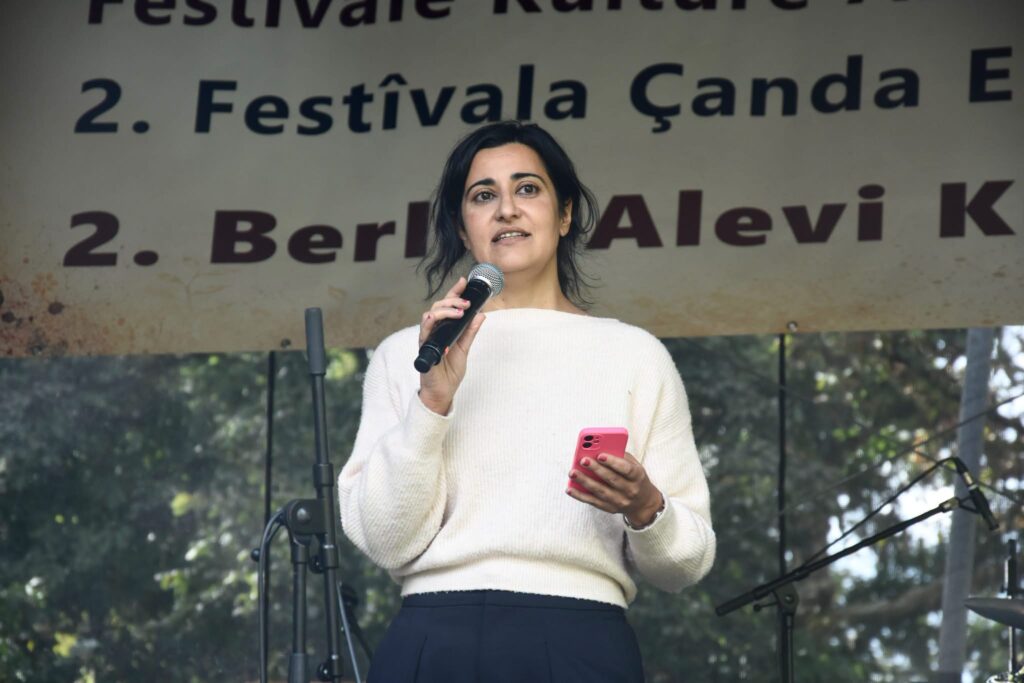
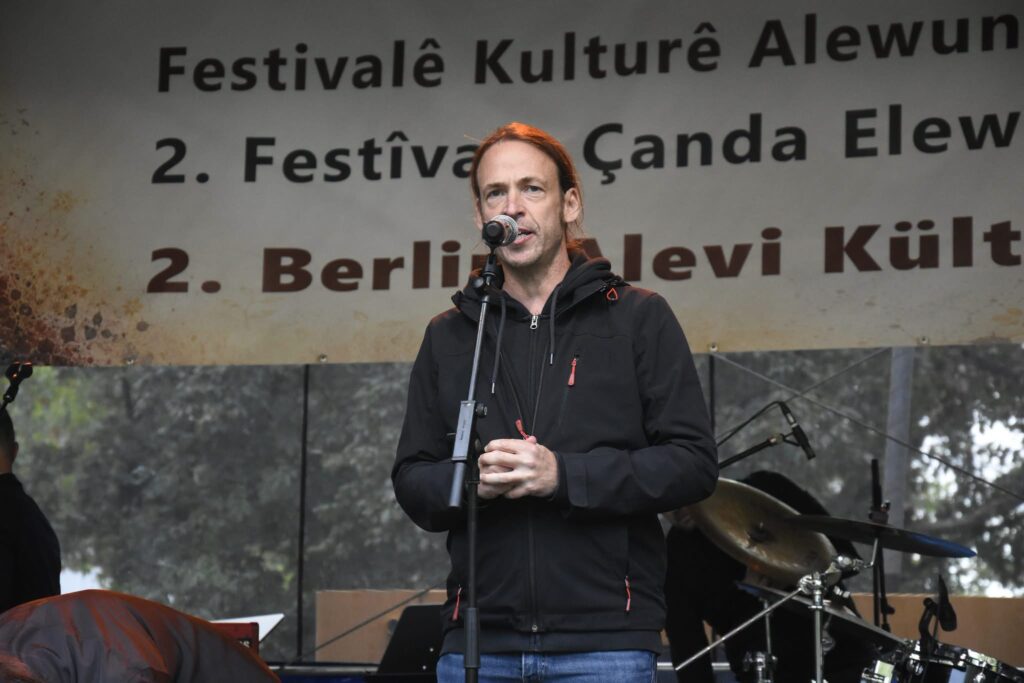
The festival was presented by Ercan Atmaca and Ela Atlas of the Cemevi events team and opened by Deniz Yıldırım-Caliman, General Secretary of the BAT-Cemevi. In the opening speech, Yıldırım-Caliman stressed that, alongside the struggle for peace, democracy and equality, the festival sent a strong message of solidarity against racism, discrimination and exclusion. Yıldırım-Caliman highlighted the importance of passing on to new generations Hünkâr Bektaş Veli’s principle “Let us look upon all 72 nations with the same eye”. Caliman also referred to the contributions of Berlin’s Alevi community to the social, cultural, political and economic life of the city and underlined the need to take a united and stronger stand against the recent rise in racism.
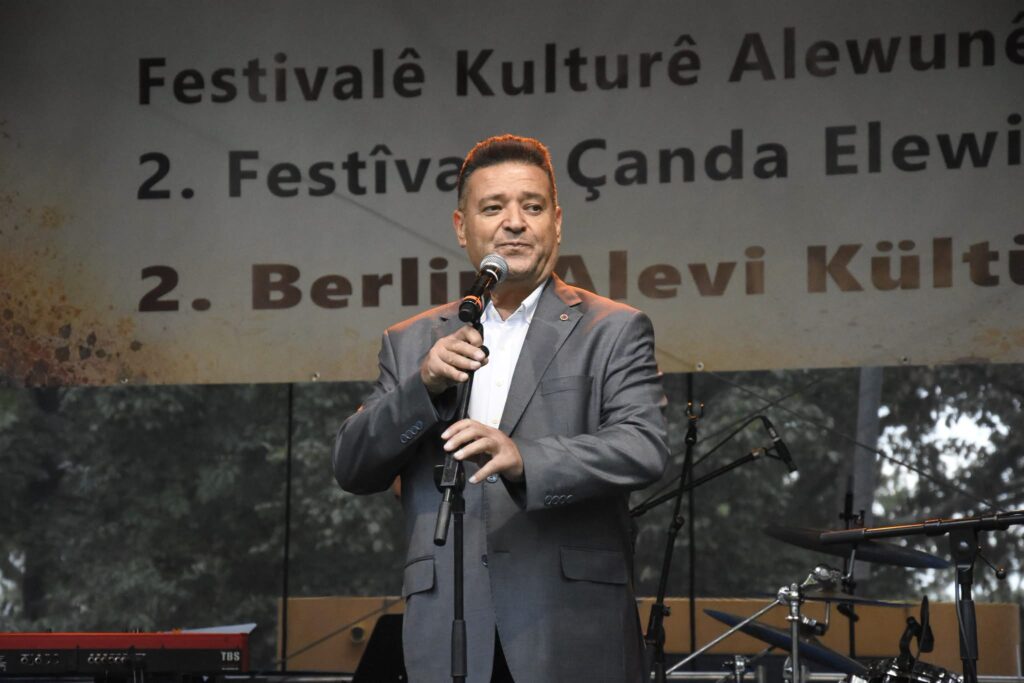
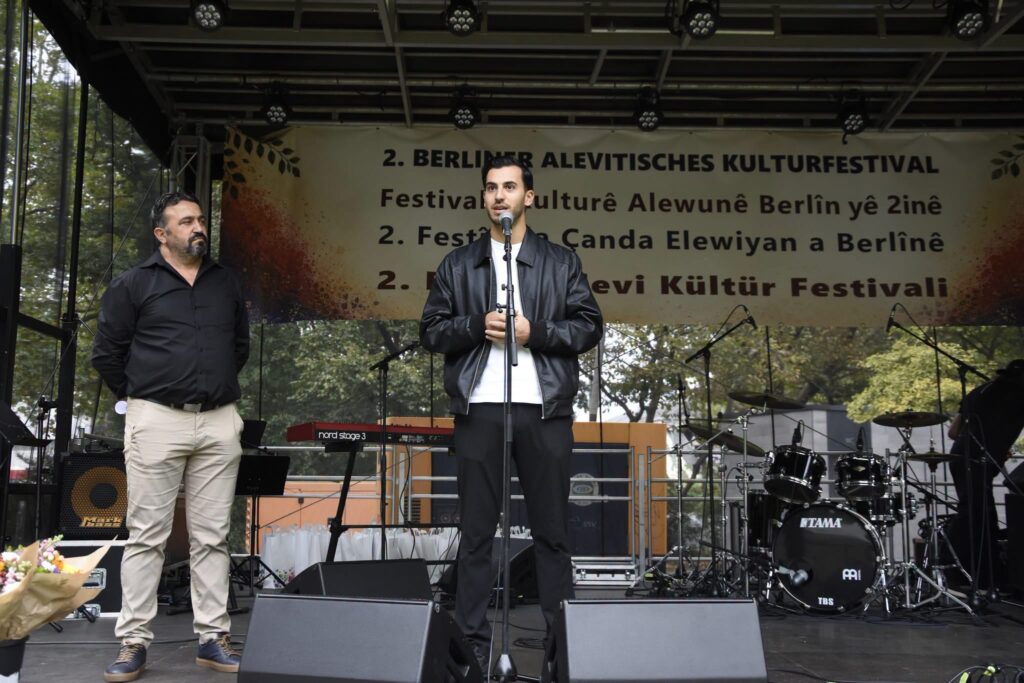
Dr Yüksel Özdemir, Chair of the Alevi Community of Berlin – Cemevi, referred to the peace process in Turkey and said that lasting peace could only be achieved if the rights of all sections of society were recognised. Stressing that there could be no genuine peace while the rights of the Alevi community remained unrecognised, Özdemir said that equal citizenship and constitutional guarantees for the rights of all faith groups were among the core elements of the peace process. The BAT-Cemevi Chair thanked the main sponsors, Celal İrgi, owner of Euro Gıda, and Berliner Sparkasse, for their valuable contribution to making the festival possible and for their solidarity.
Kemal Karabulut, Chair of the Federation of Dersim Associations in Europe, said in a bilingual address of welcome in Turkish and Zazaki that the Berlin Alevi Festival keeps Alevi culture alive and that this was very valuable. Karabulut said: “Another important element of the festival is that many associations and civil society organisations come together and take on responsibility. This festival is also very important for our unity.”
The festival was also a powerful reflection of Berlin’s multicultural life. Political leaders showed great interest as well. The Governing Mayor of Berlin, Kai Wegner; Steffen Krach, the Social Democratic Party (SPD) candidate for Governing Mayor; Bettina Jarasch, the Greens’ lead candidate in the state election; Left Party members of the Bundestag Ferhat Koçak and Pascal Meiser; and Sevim Aydın, SPD Member of the Berlin House of Representatives, all attended the festival during the day. The politicians who spoke at the festival underlined the Alevi community’s contributions to Germany and to Berlin in particular.
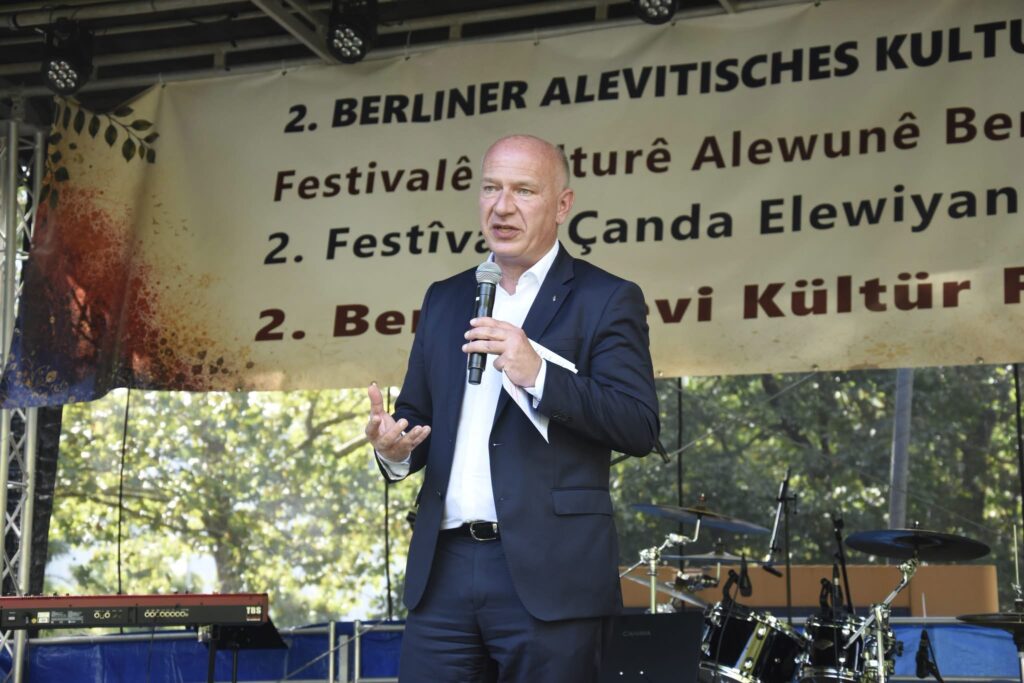
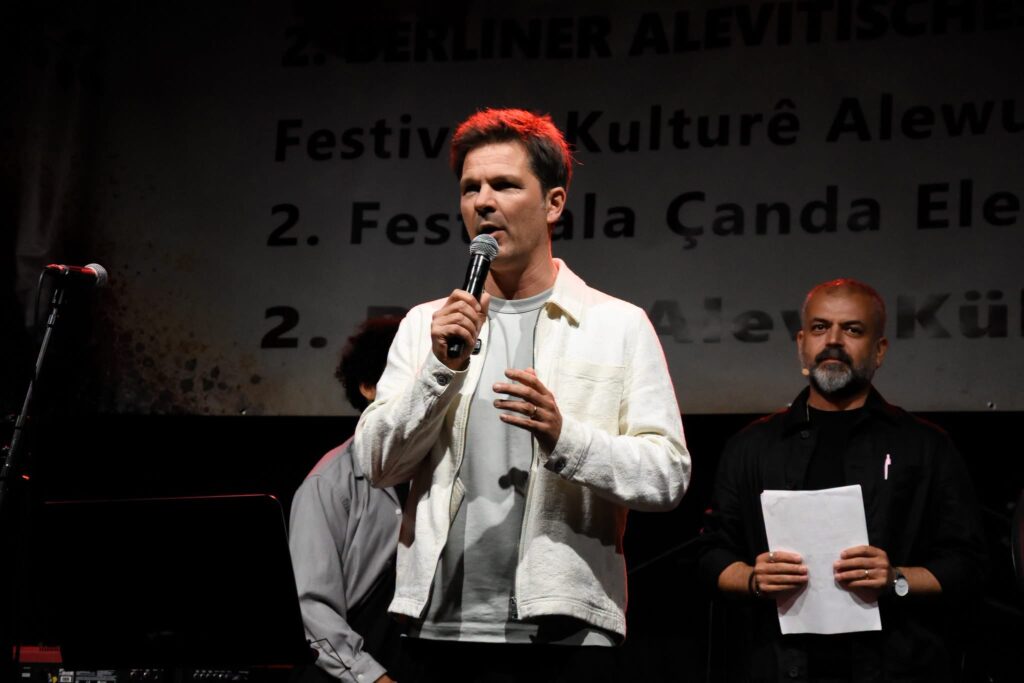
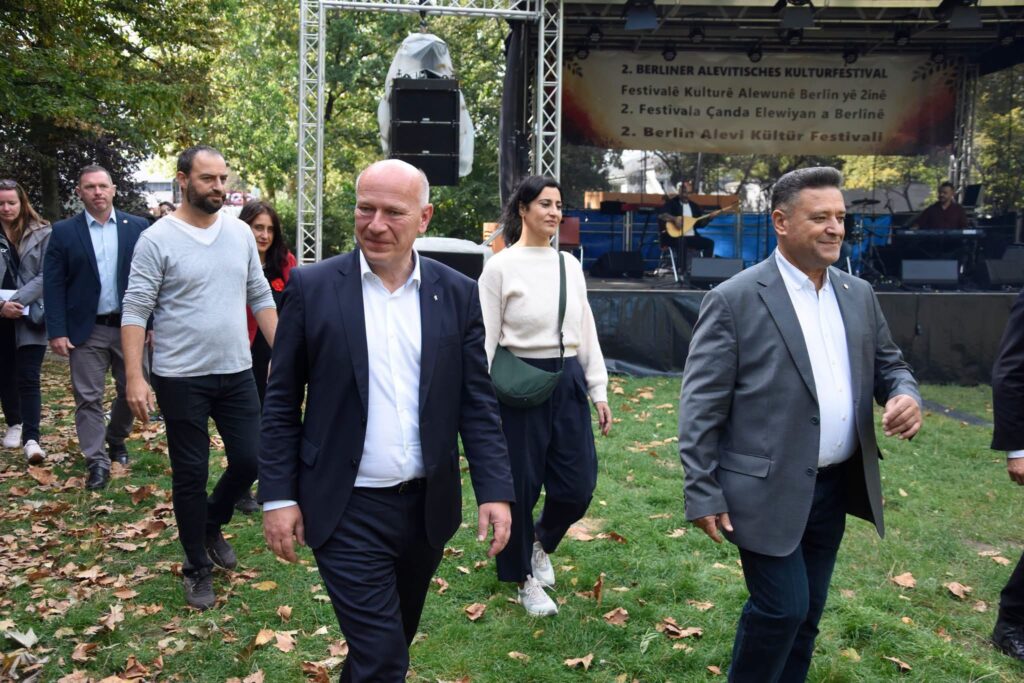
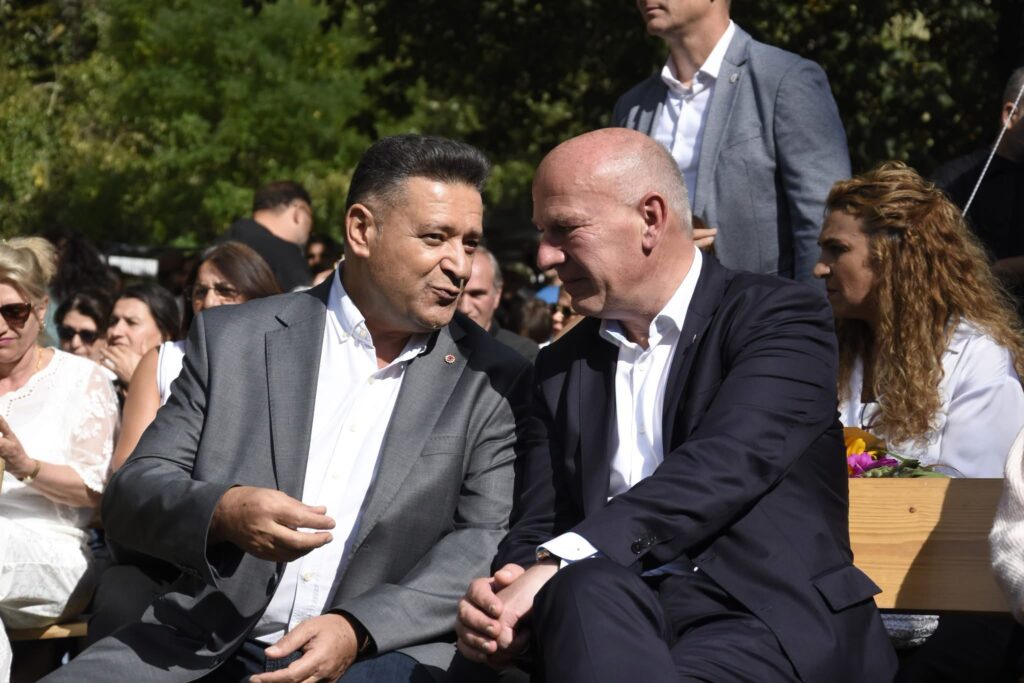
Governing Mayor Kai Wegner toured the festival grounds, meeting participants and the leaders of civil society associations. Addressing the thousands of people who filled the grounds, Wegner highlighted the importance of different cultures living together for Berlin’s richness and social cohesion. “The Alevi community is organising a festival that brings Berliners together and speaks to all Berliners,” the Governing Mayor said. Wegner stressed the need to protect this Berlin in which all colours come together, and said that racists must be given no space. Addressing Dr Yüksel Özdemir, Chair of the BAT-Cemevi, Wegner sent warm words to the community: “During my term of office I have so far come to the Cemevi twice. Yüksel Özdemir and fellow board members visited me. They gave me a bağlama as a gift. I have not yet learnt to play the bağlama, but this precious instrument hangs in my office.”
Steffen Krach, the SPD’s candidate for Governing Mayor of Berlin, reiterated the party’s support for signing a state treaty with the Alevi community: “We have included the establishment of an Alevi chair at Humboldt University in our election manifesto. You have helped to reshape Germany and Berlin. Years ago thousands of people came here as guest workers. They stayed. The third and fourth generations are here now. This is a wonderful history. I am grateful to you for shaping Berlin.”
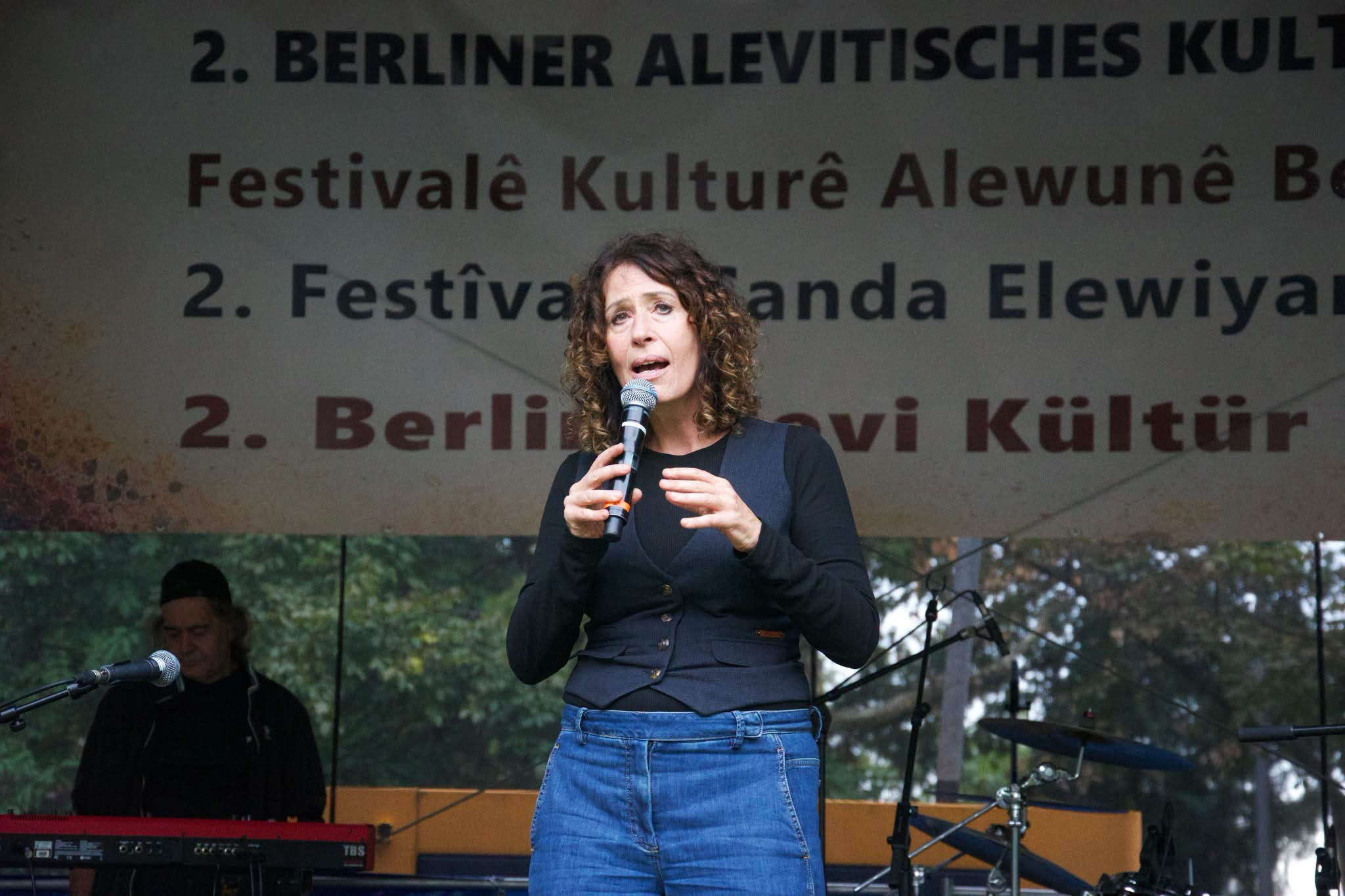
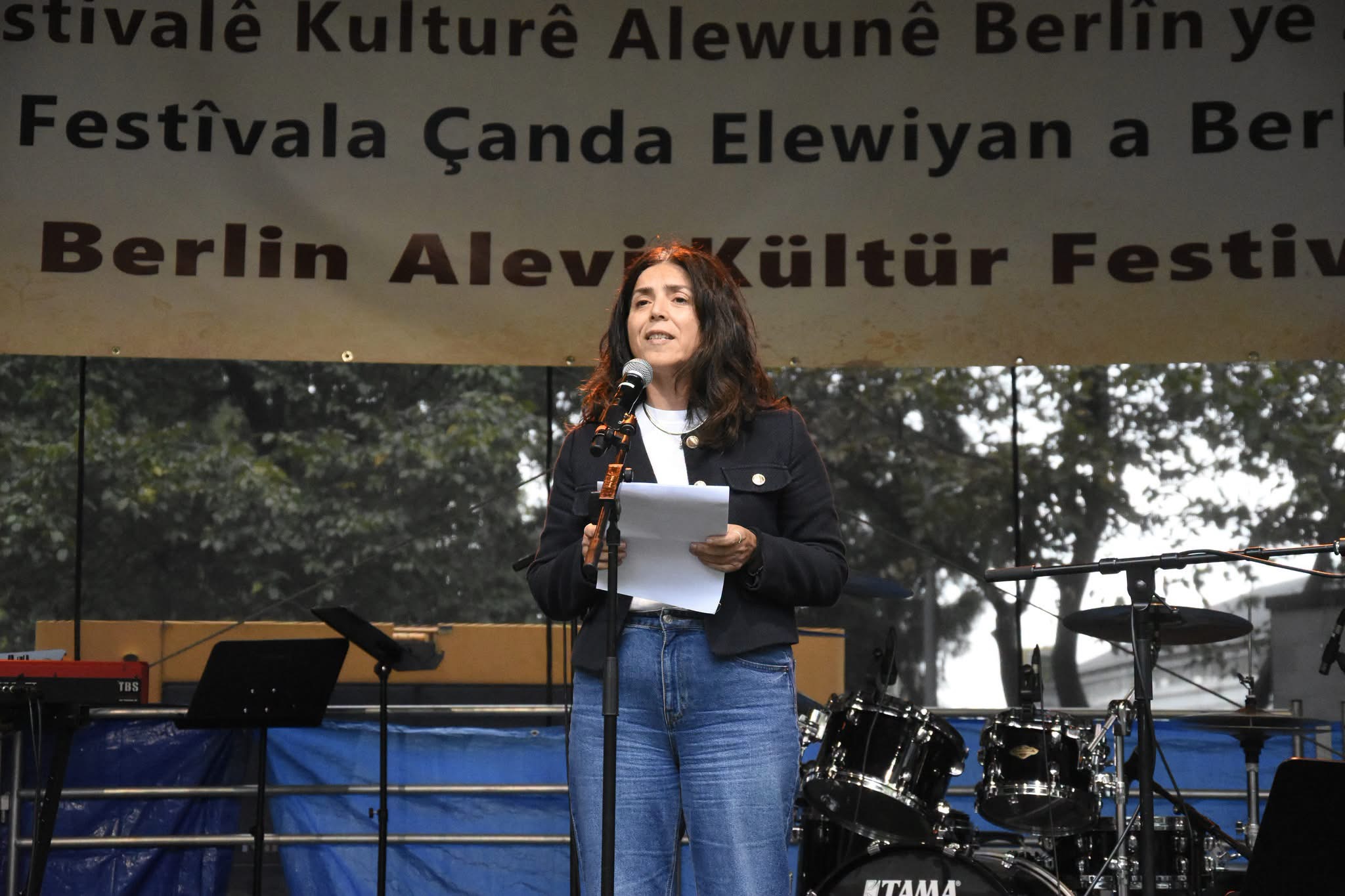
Bettina Jarasch of the Greens spoke about the importance of naming a green space in Berlin after the Alevis: “The establishment of an Alevi chair is in our election manifesto. But it will not stop there. It will also be put into practice. I will follow it up. The Alevi community must become more visible. The Alevitischer Garten (Alevi Garden) will open soon. As a party, we supported giving this name to the green space at Moritzplatz.”
Left Party member of the Bundestag Pascal Meiser addressed rising racism and discrimination and emphasised the importance of living together. Sevim Aydın, SPD Member of the Berlin House of Representatives, spoke about the importance of Alevi culture for Berlin. Aydın said: “Alevi culture is a great asset for Berlin. This faith embraces togetherness, sharing, solidarity and standing up for equality. This festival and the other work the Alevi Community of Berlin has done for years keep this culture alive and pass it on to new generations.”
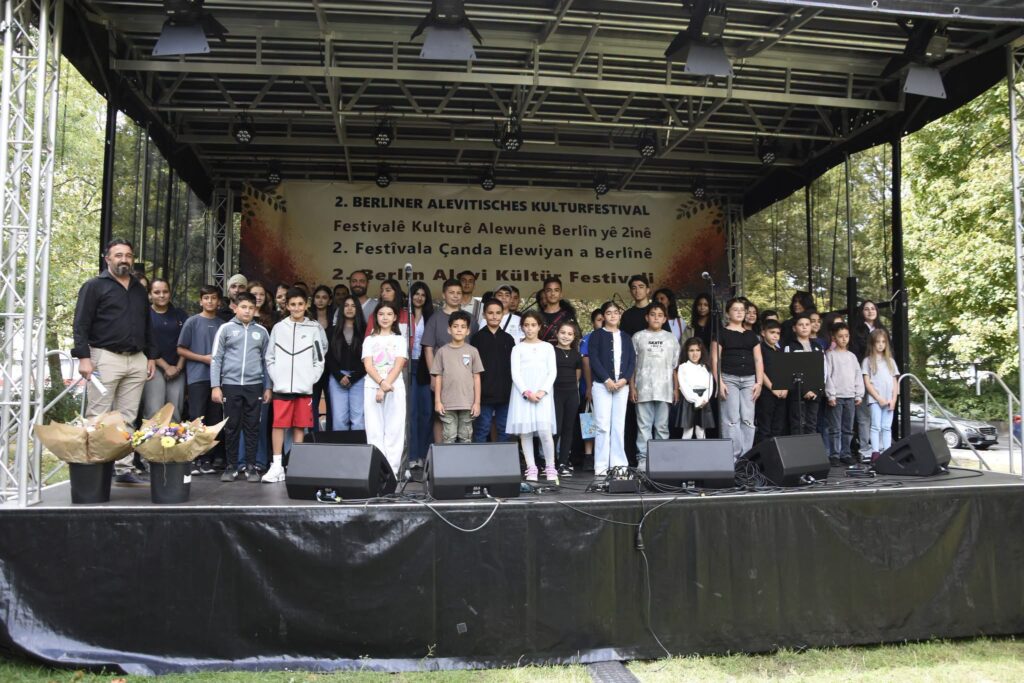
As part of the festival programme, teachers presented pupils who take part in Alevi religious education (ARU) at Berlin schools and at the Cemevi with their school reports and small gift bags. The parents’ pride added to the pupils’ delight at their reports, and those present congratulated the pupils with applause.
Around 7,000 people came to the festival grounds over the course of the day. The thousands who filled the grounds enjoyed the festival atmosphere until 10 pm, dancing the halay to performances by Mengene Grubu, Hüseyin Doğan, Aysel Boldaz & Müslüm Arslan, Çağlasu Aslan, the Sivaslı Canlar music group, the Cemevi Turnalar choir, the Yedicanlar Association choir, Uğur Çit, Grup Yel/Can Erenler Koro, the Soul Of Anatolia dance group, and to the davul and zurna. They also sang along to deyiş, folk songs and songs in various languages. The festival grounds were transformed into a veritable feast of music.
Hoping to see you again at the third Berlin Alevi Festival in 2027 – with love…
Report: BAT-Cemevi Press Office
Photos: Ulaş Yunus Tosun