Content of Alevi Religious Education
How are the lessons taught?
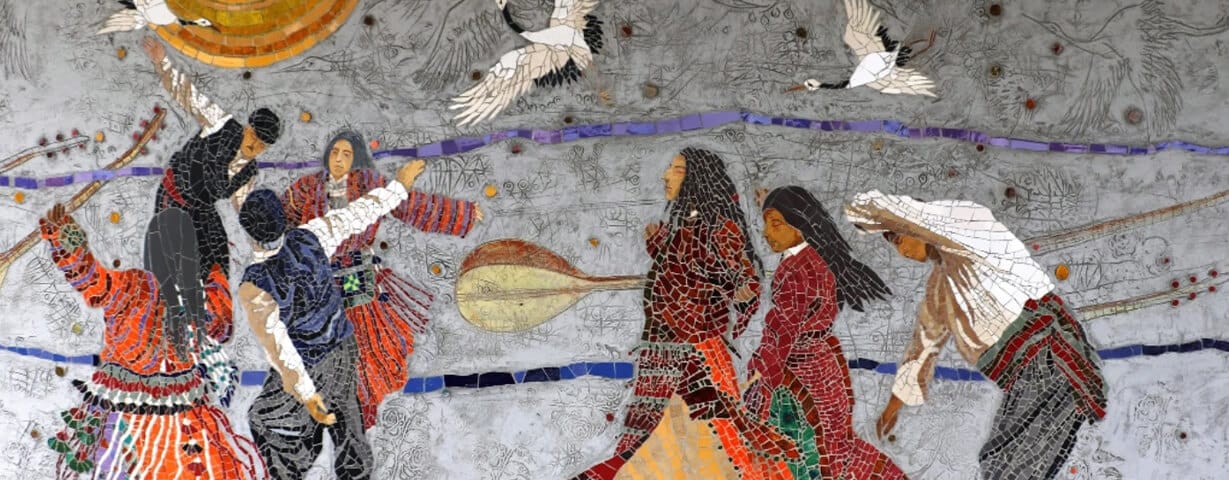
Each lesson begins by seeking mutual consent (rızalık). In this way, any hurt feelings between the children can be addressed and they can make peace with one another. Everyone sits “cemal cemale”, face to face, so that all can see one another. This seating arrangement is part of Alevi teaching and also fosters mutual respect and affection. Deyişler (spiritual songs) and the saz, essential elements of Alevi worship, are also the teaching tools used most often in Alevi religious education. Deyişler suited to the topic of the lesson are sung, and pupils who can play the bağlama are given the opportunity to show their skills. Where there is more than one interpretation of a topic, the teacher presents them to the pupils without judging them as right or wrong.
What is taught?
- The unity of Hak, Muhammad and Ali in the Alevi faith
- The history of Alevism
- The place of the bağlama and the Semah in Alevi culture
- The Alevi understanding of ethics: edep and erkân; being master of one’s hands, loins and tongue …
- The Muharrem and Hızır fasts
- Dede/Pir, important services of worship (Cem), the twelve services
- Musahiplik (spiritual companionship)
- The Cem ceremony
- The principles of can, rızalık and lokma
Why are the lessons taught in German?
By speaking German in these lessons too, pupils improve their language skills and can more easily compare their own values with those of the society they live in.
Are pupils given marks?
No marks are given in Alevi religious education. A pupil’s performance in this subject does not affect whether they move up to the next year. Pupils receive a separate report on their achievements in Alevi religious education from the BAT-Cemevi (the Alevi house of worship).
Alevi Community of Berlin – Cemevi
ARU Education Officer
Phone: 030 – 61658700
E-mail: aru@alevi.org